


|
|
|
|
by Yvette Depaepe
Published the 16th of February 2026
Through her lens, Donna Hom explores the world and learns more about it. Photography has undoubtedly enriched her life. Ultimately, it’s about discovering more about the world and herself. Her curiosity about the unknown constantly drives her to learn and explore different areas. Join us as we explore her impressive body of work in this interview.
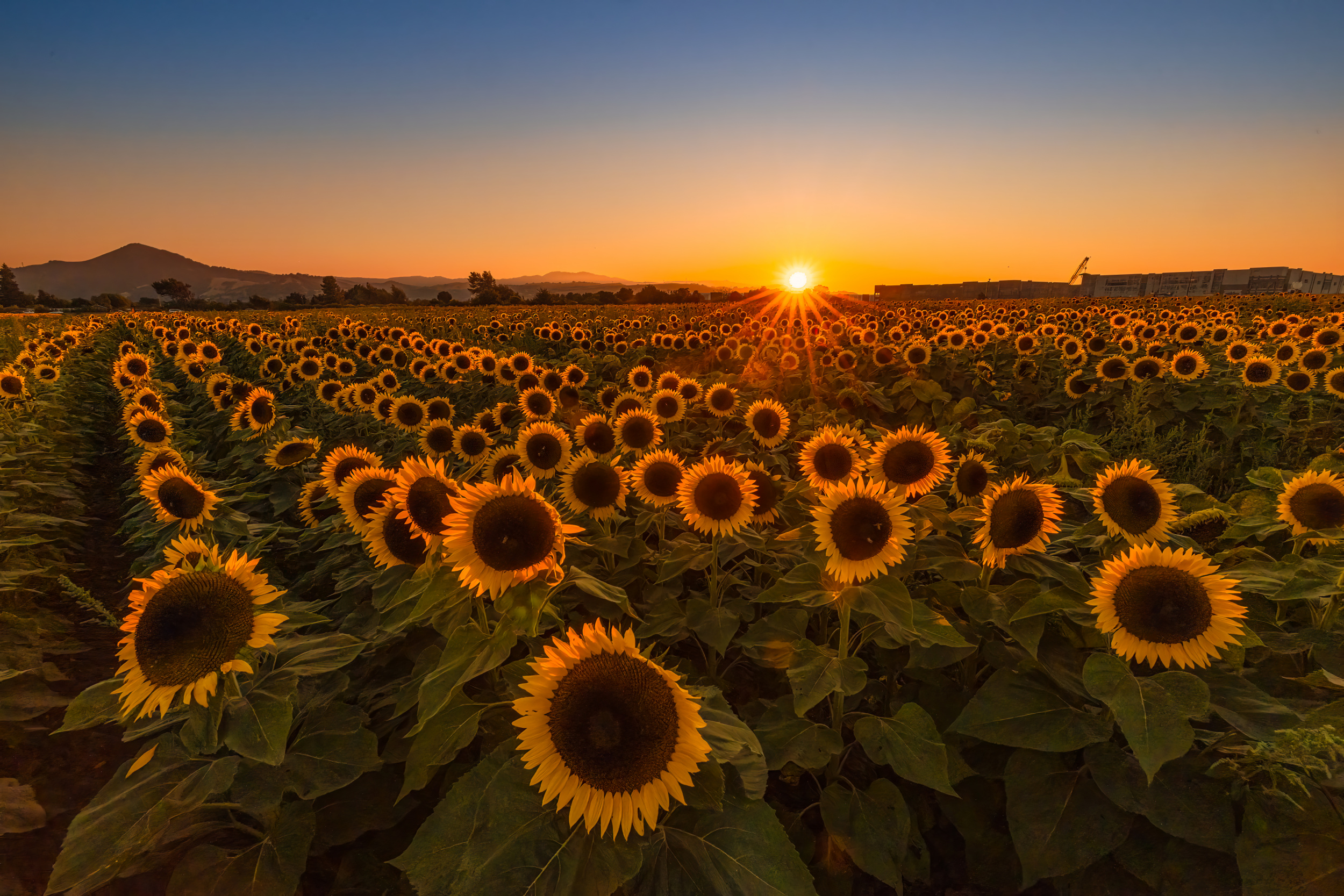
‘Sunflower’
Dear Donna, firstly, I would like to thank you for taking the time to answer this questionnaire. Could you please start by introducing yourself briefly, telling us about your hobbies, and describing any other projects you are involved in?
I am Donna Hom. I retired from local government jobs in 2019. I specialised in public administration, personnel, finance, technology, public safety, housing, elections and recreation. During my 28 years of public service, I taught at the University of San Francisco in both the undergraduate and graduate schools from 2004 to 2019, and at the State of California East Bay (also known as Hayward) graduate school from 2005 to 2022. I have a Master's degree in Public Administration and a PhD in Business Administration.
My father was passionate about photography. He liked to take photos of his children with a film camera and develop them in the darkroom. He taught me how to use the manual camera when I was seven. When I was 16, I also learned how to develop monochrome photos in a darkroom. I came to the United States in 1981. Since then, I have focused on my education and raising my son. With three jobs simultaneously in my career, I had no time for hobbies for about 35 years! In 2015, health issues forced me to start exercising. While walking in the parks, I discovered many different species of waterfowl near my home. I wanted to learn more about them. So my husband bought me a camera with a 100–300 mm lens. I took photos of the birds, then studied them, including their species, characteristics, food chain and seasonal locations. Eventually, I became interested in landscape photography because I really enjoyed capturing the beauty of nature.
After studying and practising photography for a few years, I began actively participating in international competitions in 2022 and 2023. In 2022, I was named one of the Top Ten Photographers in the Photo Travel Division (PTD) by the Photographic Society of America (PSA), ranking number 9. I also earned the distinction of becoming a Master of the Photographic Society of America (MPSA). Since 2025, I have served as the PTD Exhibition Standards Director.
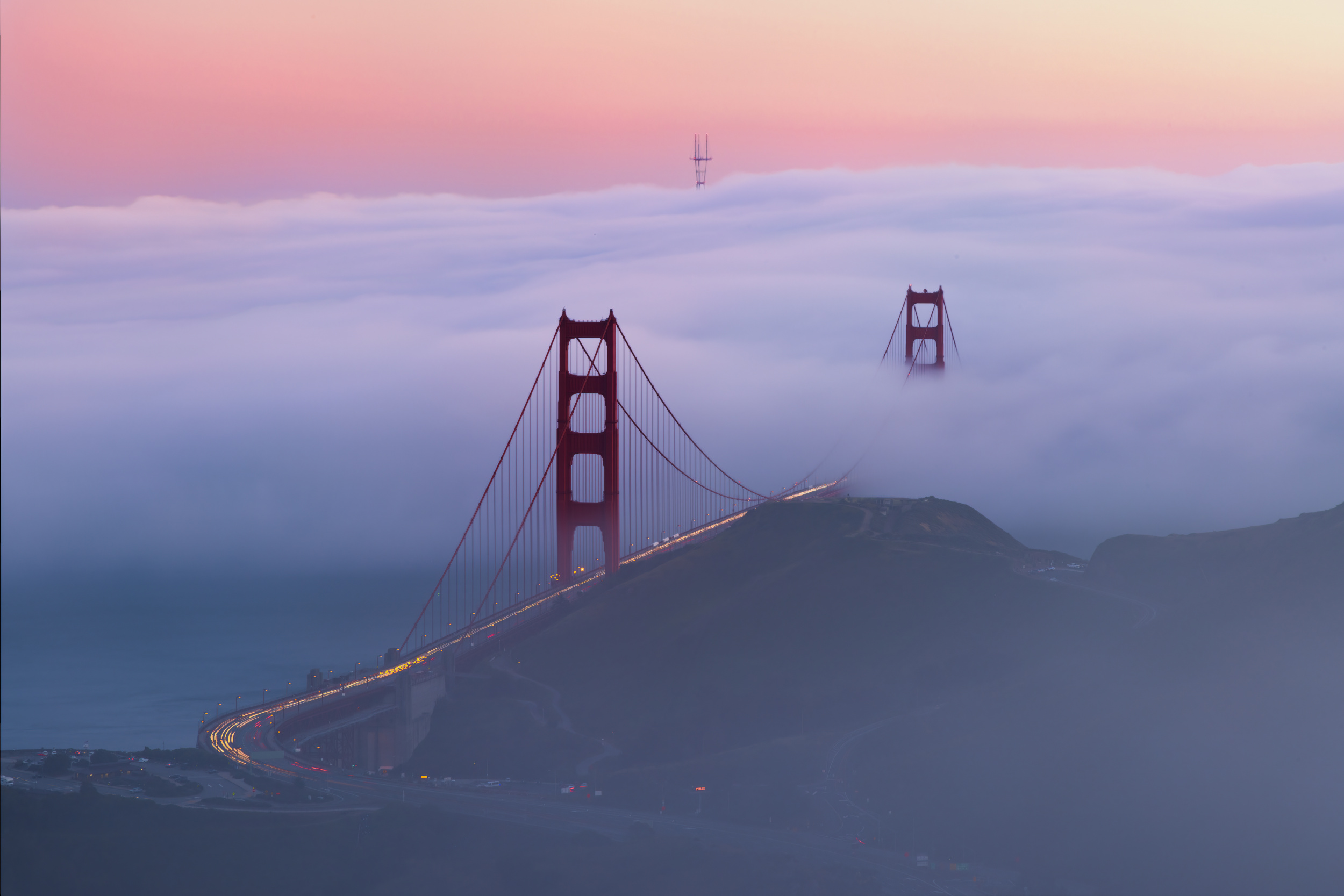
‘Sunset at Golden Gate Bridge’
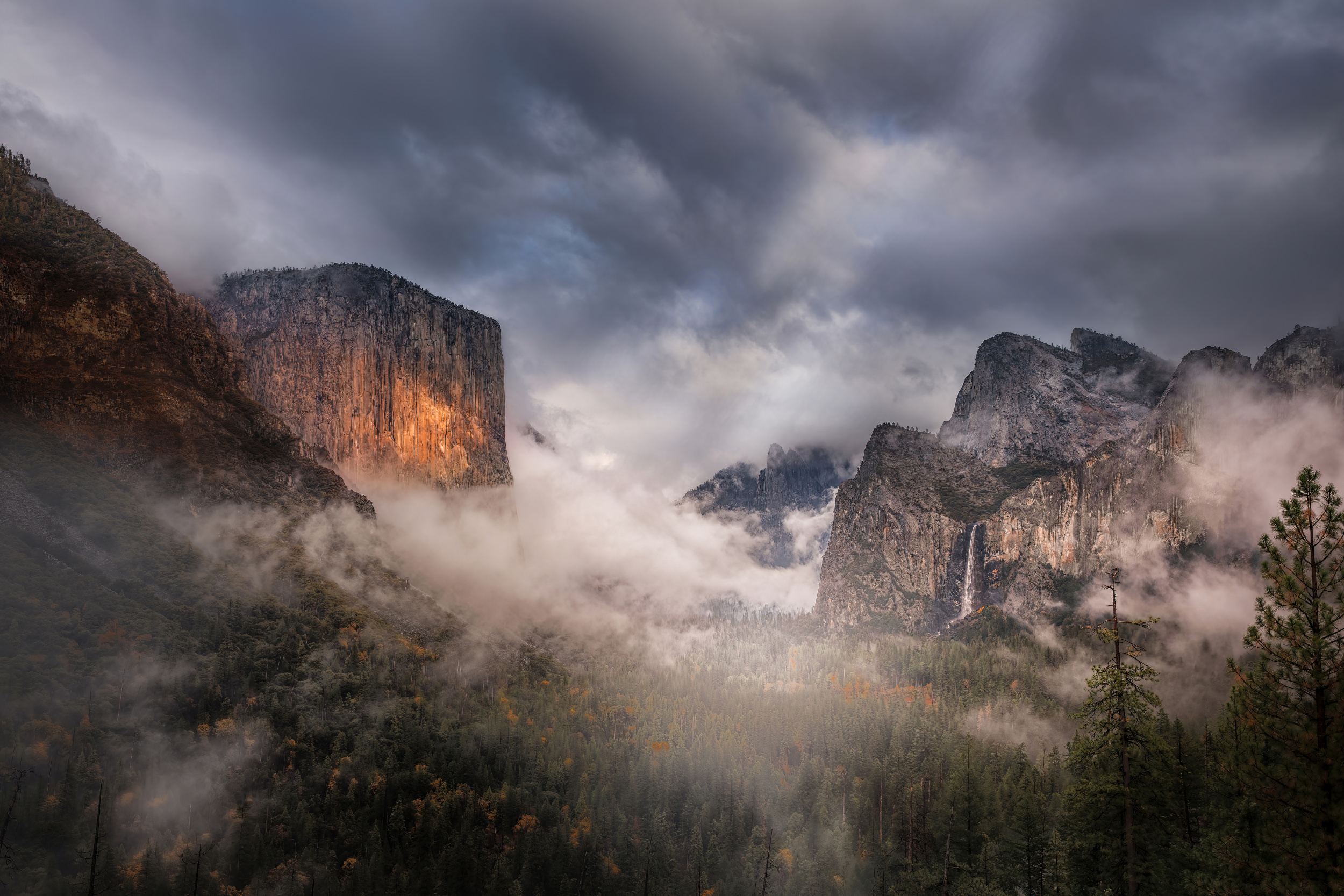
‘After Rain’
How and when did you start your journey in photography?
My father introduced me to film photography over 50 years ago. I learnt to develop film and post-process it in the darkroom. I started digital photography in September 2015. My favourite subjects are wildlife, nature and landscapes.
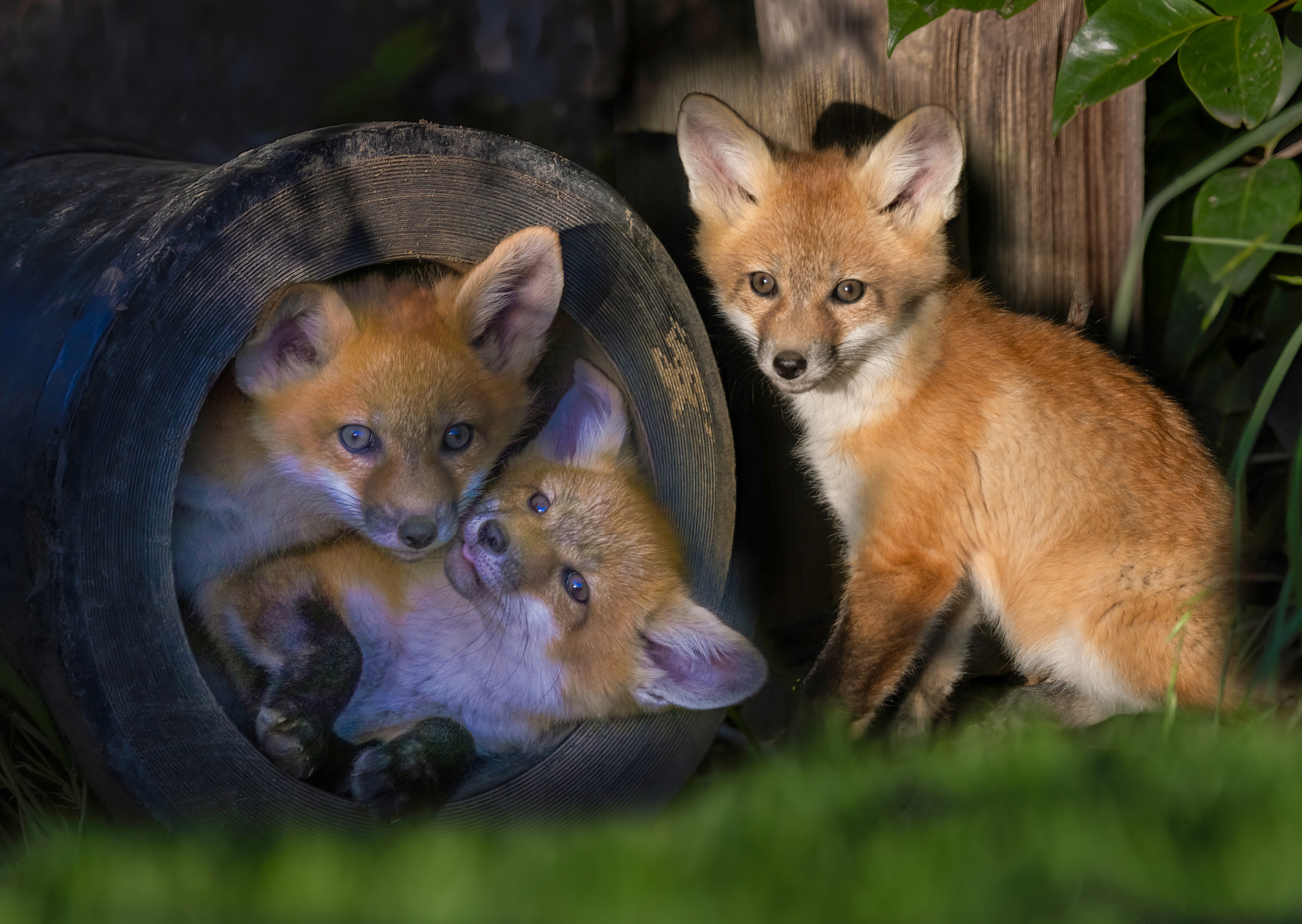
‘Fox Playground’
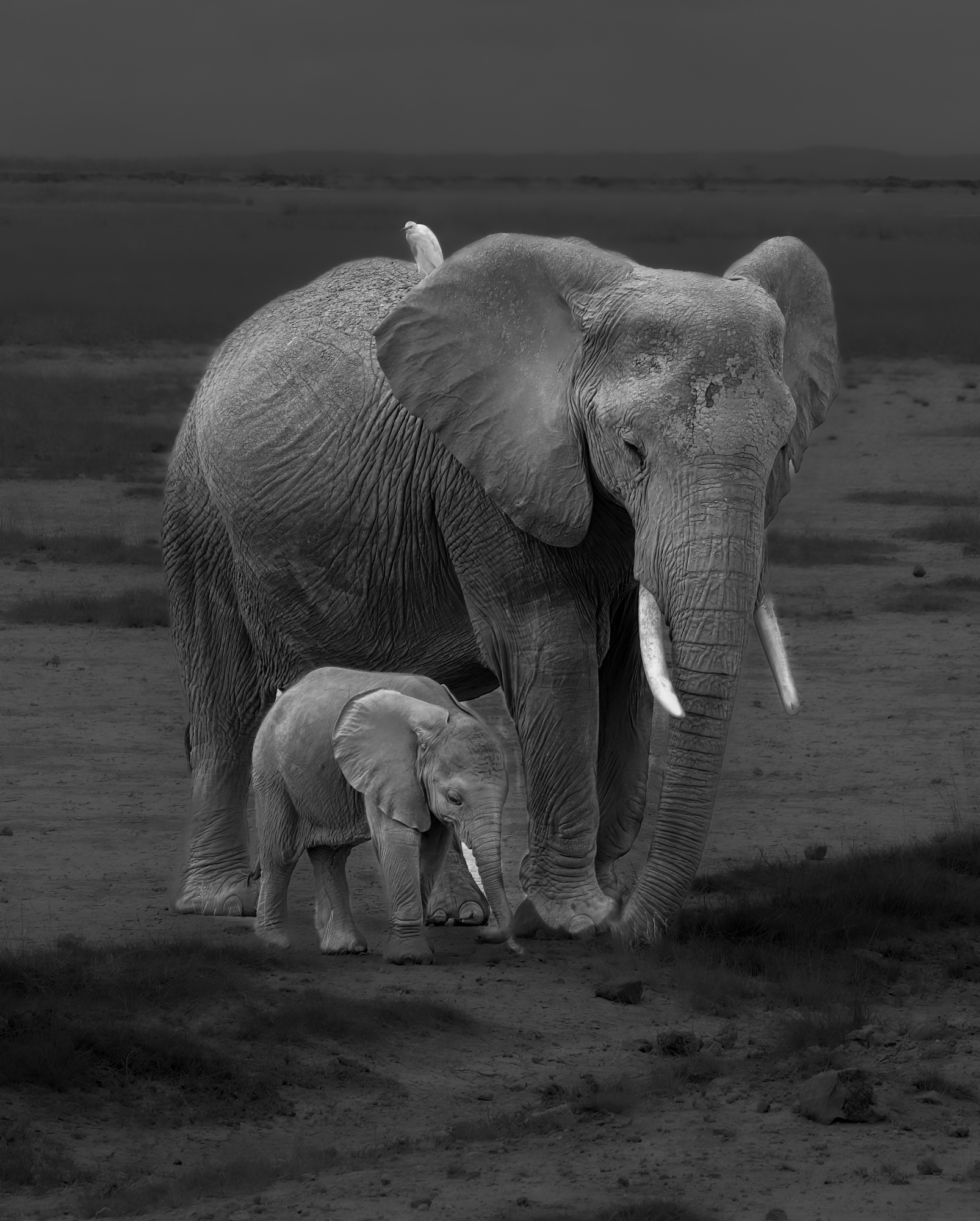
‘The Caring Look’
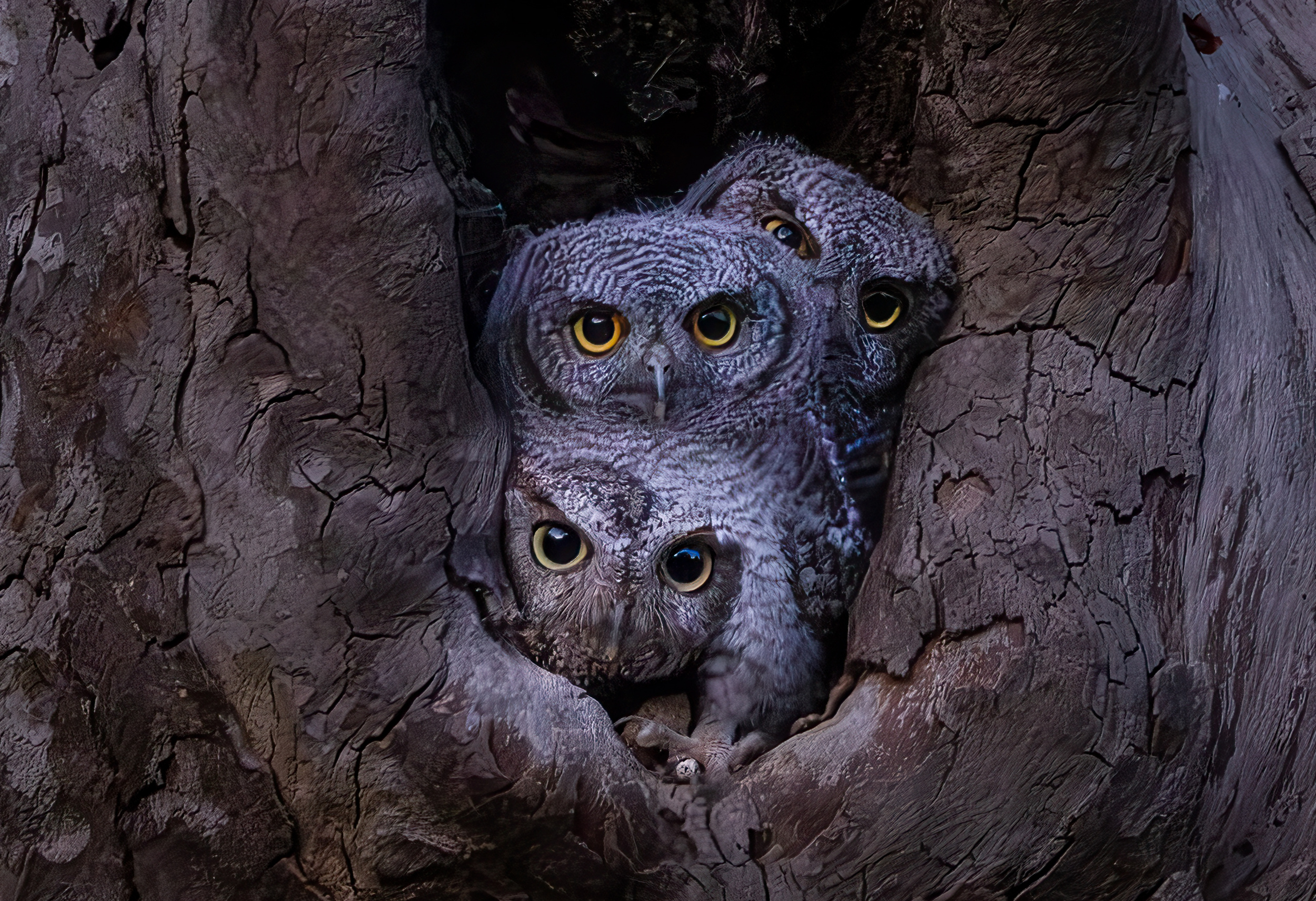
‘Outside of the world’
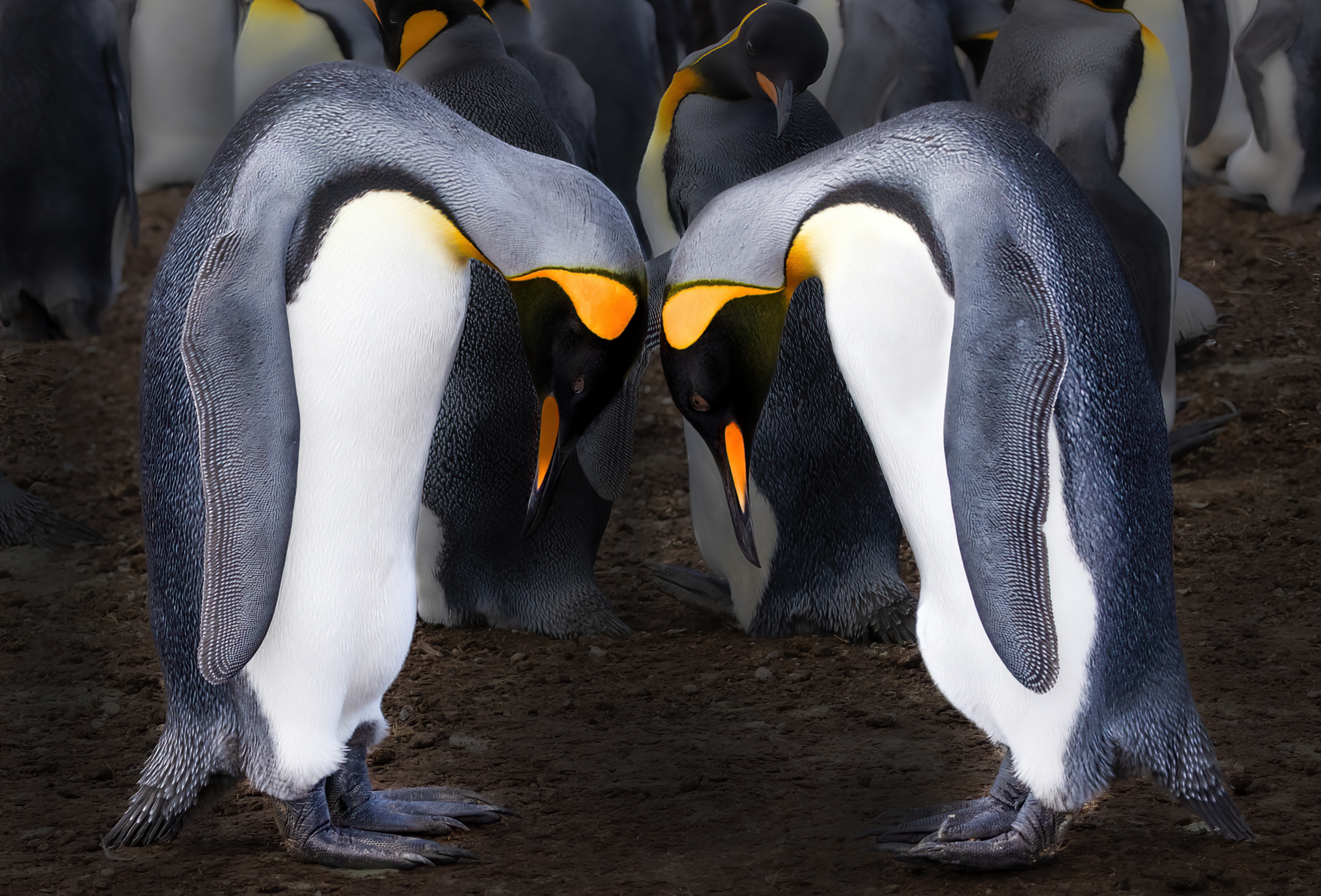
‘Respect to Lover’
For many of us, photography is a hobby or a way of life. How would you describe your relationship with photography?
I think it is a hobby that enriches quality of life. Thanks to photography, I have learnt how to read maps (I'm still not very good at it), geography, wildlife knowledge, weather forecasting, hiking, software, art, information management and culture around the world. These are all skills that are useful for photography. Ultimately, it's about knowing more about the world and myself. I have found that some of the images I have produced reflect my emotions and how I see the world.
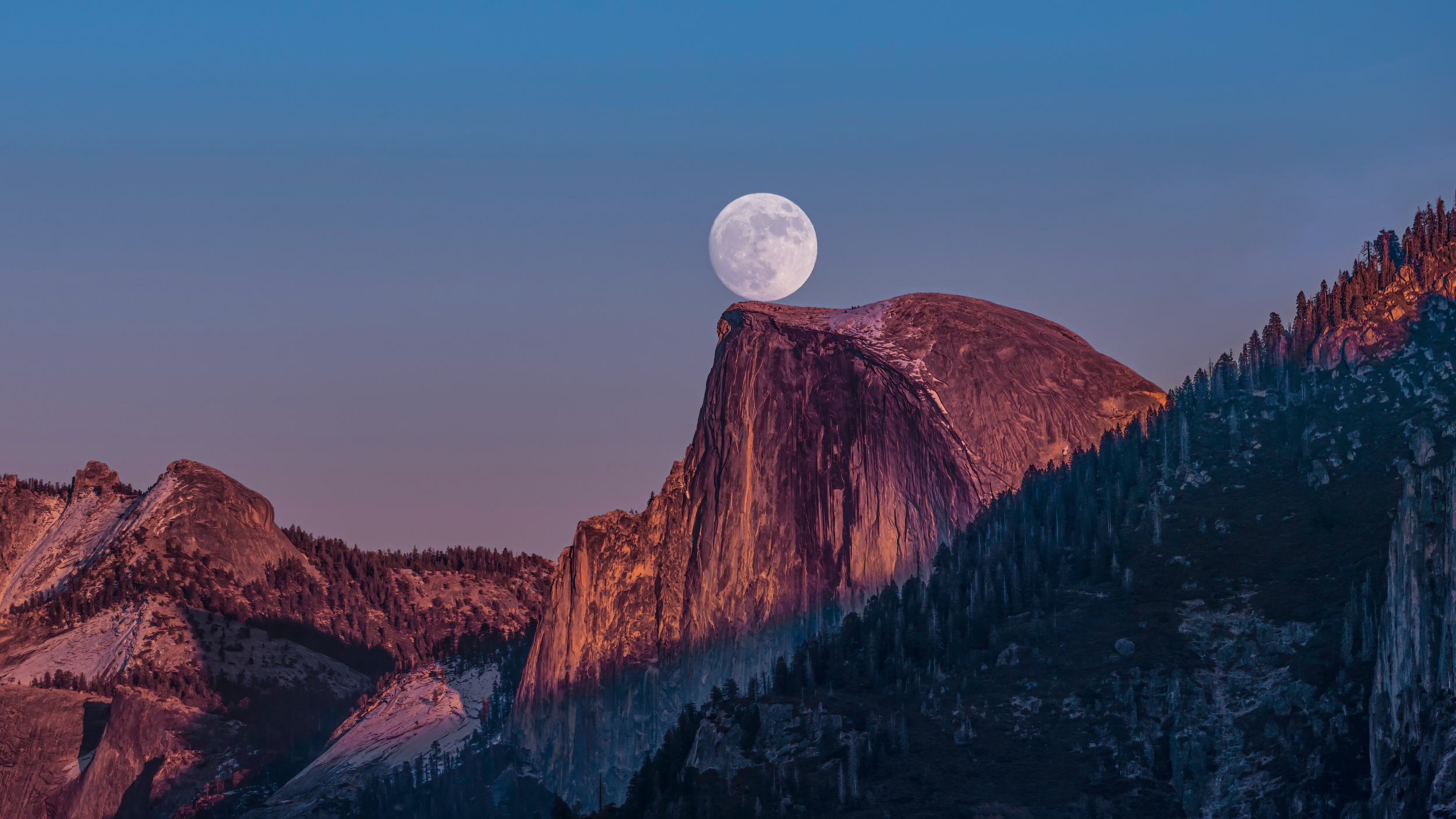
‘Rising to the Top’
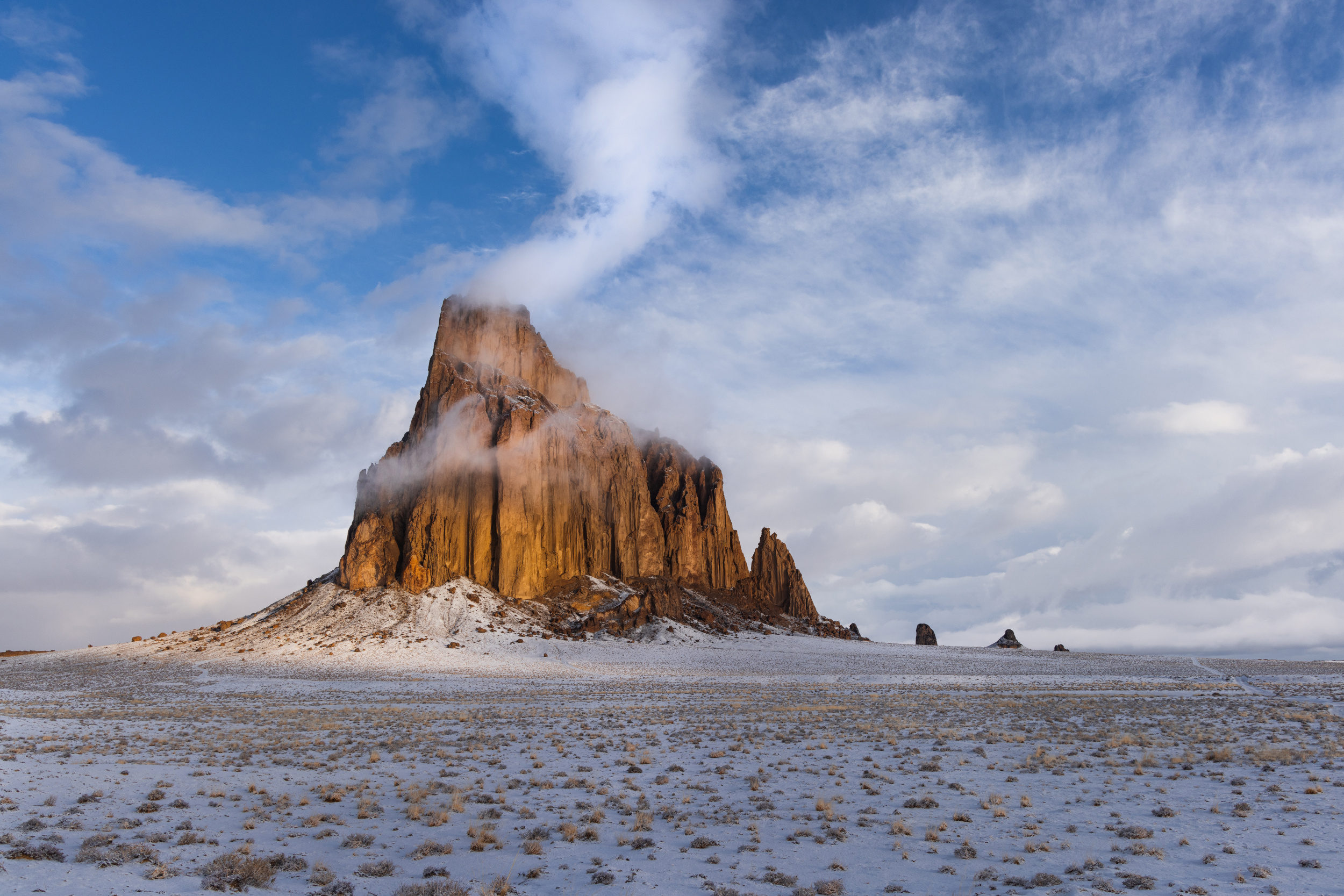
‘Steamy Morning’
What has been the most important experience to influence your journey in photography so far?
For me, it is the consistent effort I have put into improving myself. To achieve this, I set incremental goals for myself. I started learning how to operate the camera and its accessories. Then I moved on to composition, post-processing, drones, 3D photos, and so on. It is an ongoing learning process. My curiosity to discover new things has led me to find great enjoyment in learning new facts, skills and artistic ideas.
You have your own unique style, yet your work is highly diverse. I see splendid architecture, street and still life photography, as well as photos of animals, among other things. Could you explain why this is?
As I mentioned above, curiosity is what drives me to explore new areas of photography. I started with nature and wildlife, then moved on to landscapes. Last year, I focused on architecture and still life. I read A World History of Art by Hugh Honour and John Fleming. I discovered that, in early history, architecture played a very important role in the development of art. Since then, I have found that architecture around the world manifests cultural, religious and artistic elements. I have enjoyed their beauty much more since reading the book.
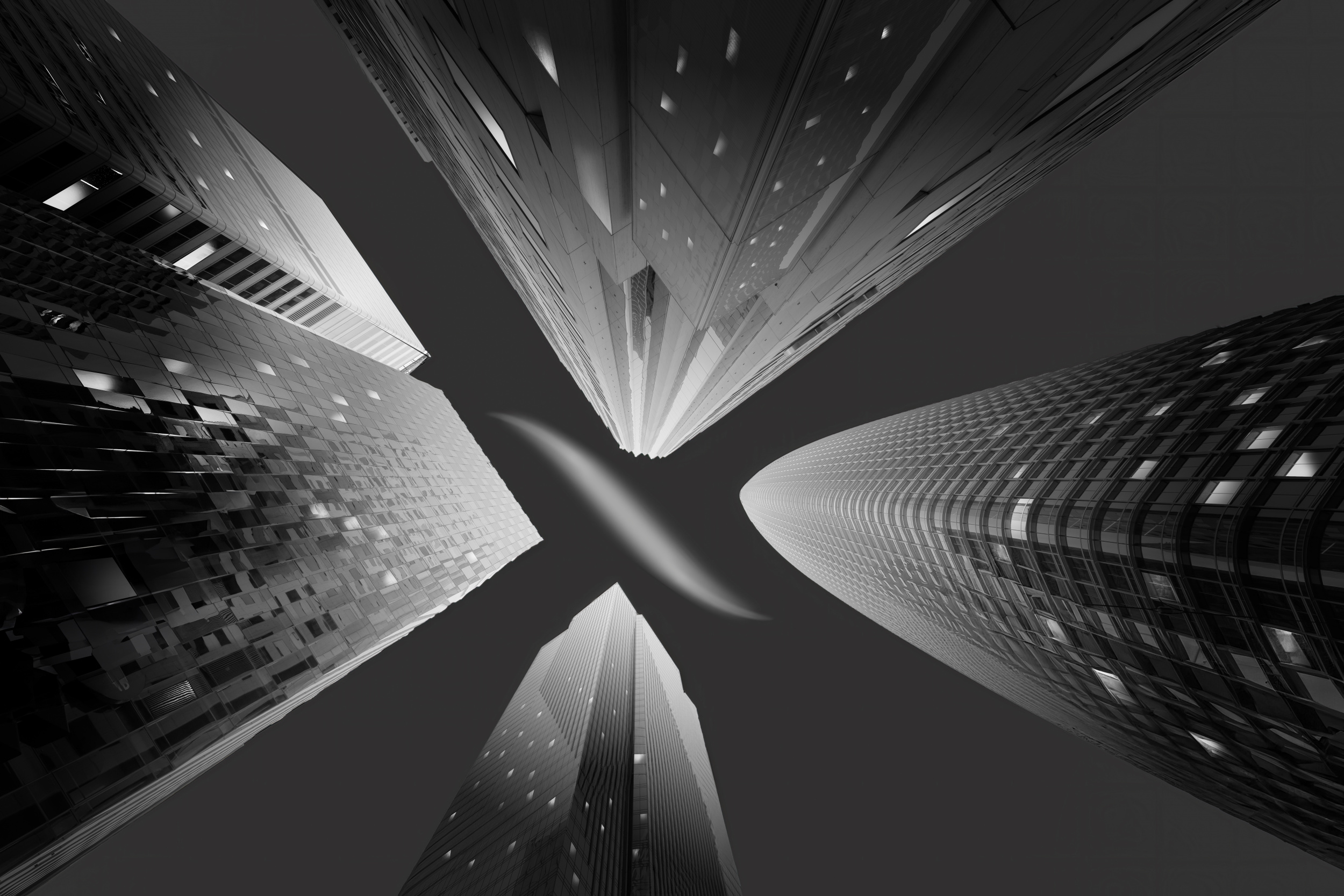
‘SF Skyline’
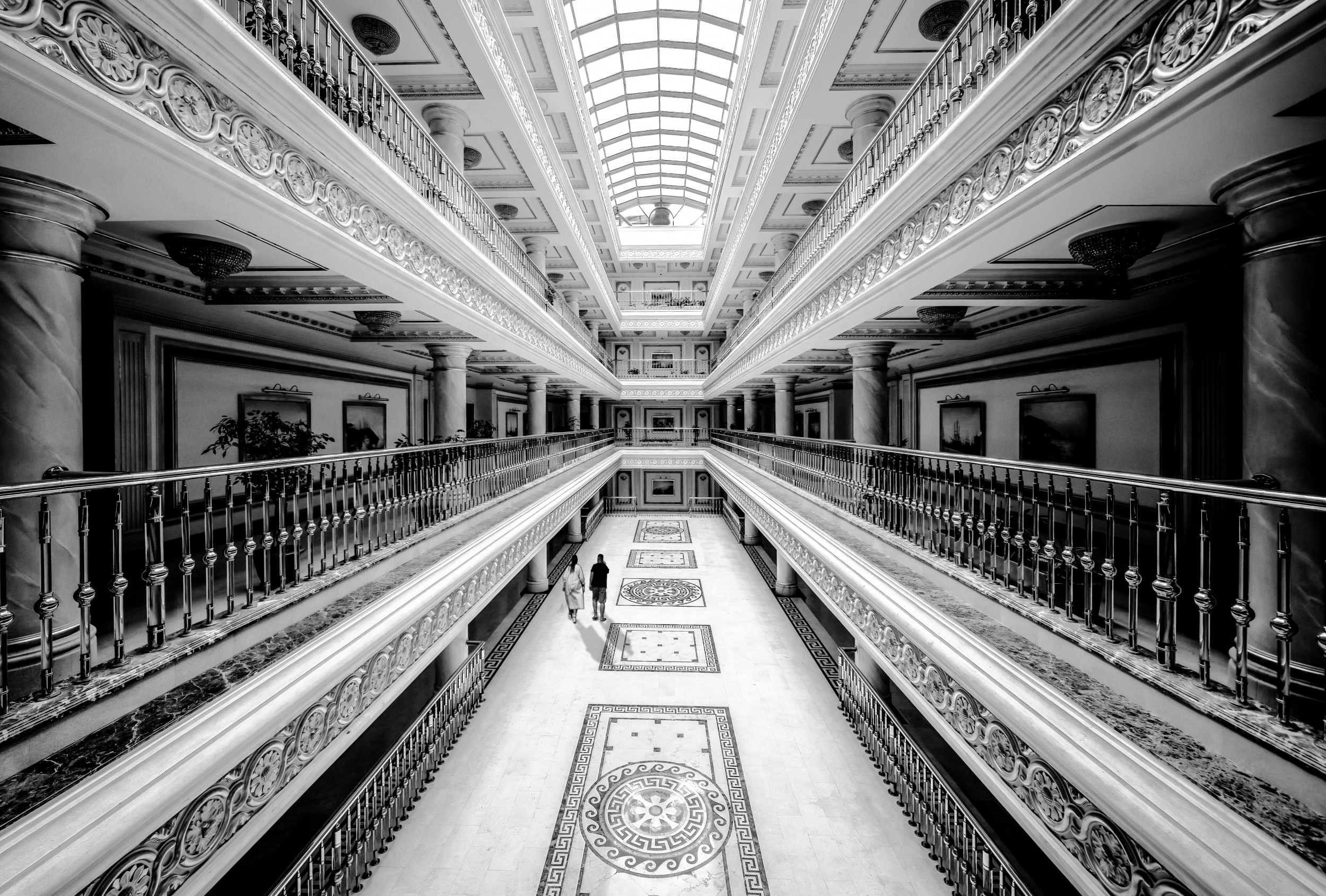
‘Hotel View’
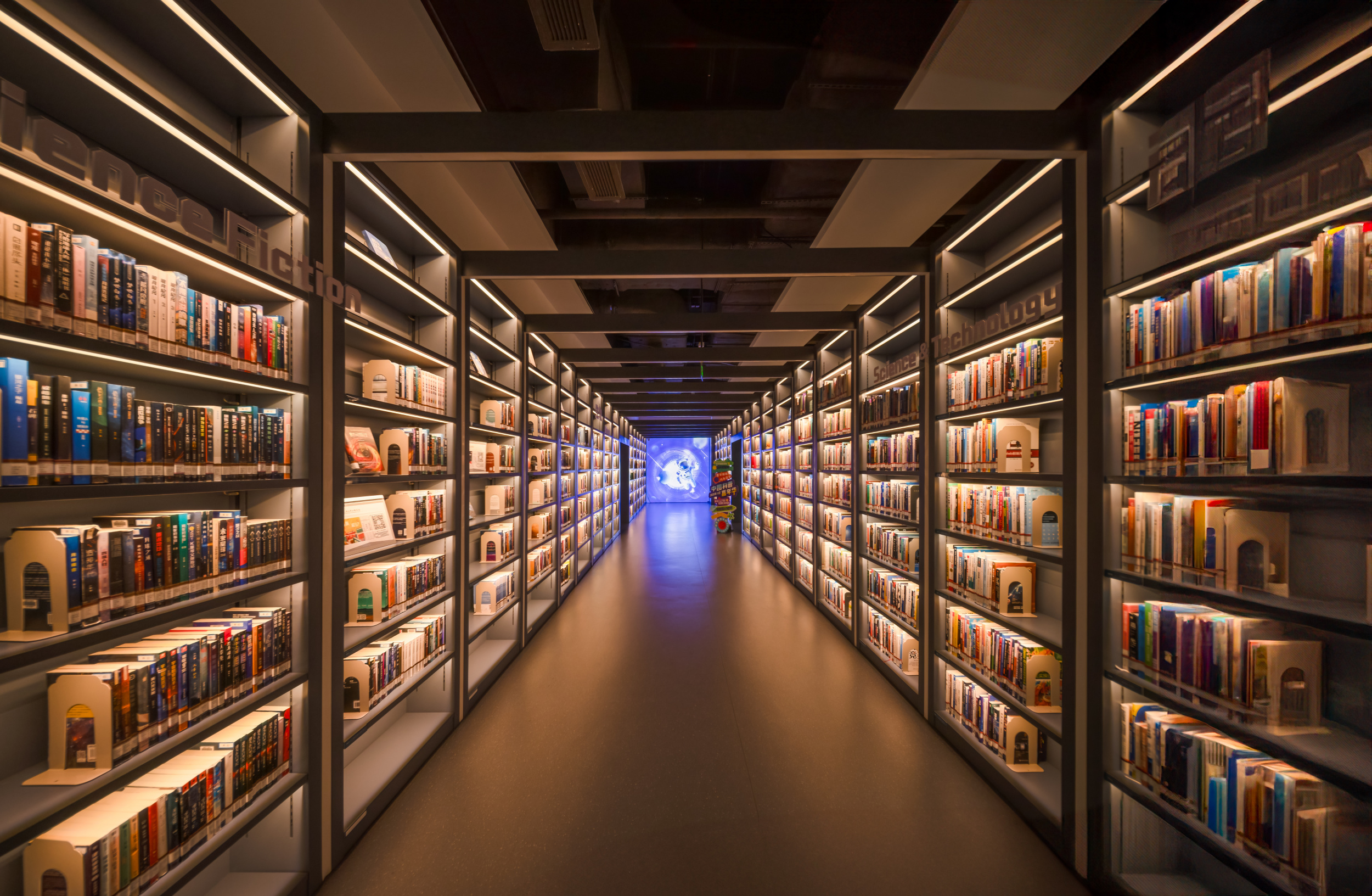
‘Library 1’
Regarding still life, I feel it is another branch of art. When I get older, I think my physical ability may not allow me to travel as much as I would like, so still life may be an area in which I can specialize.
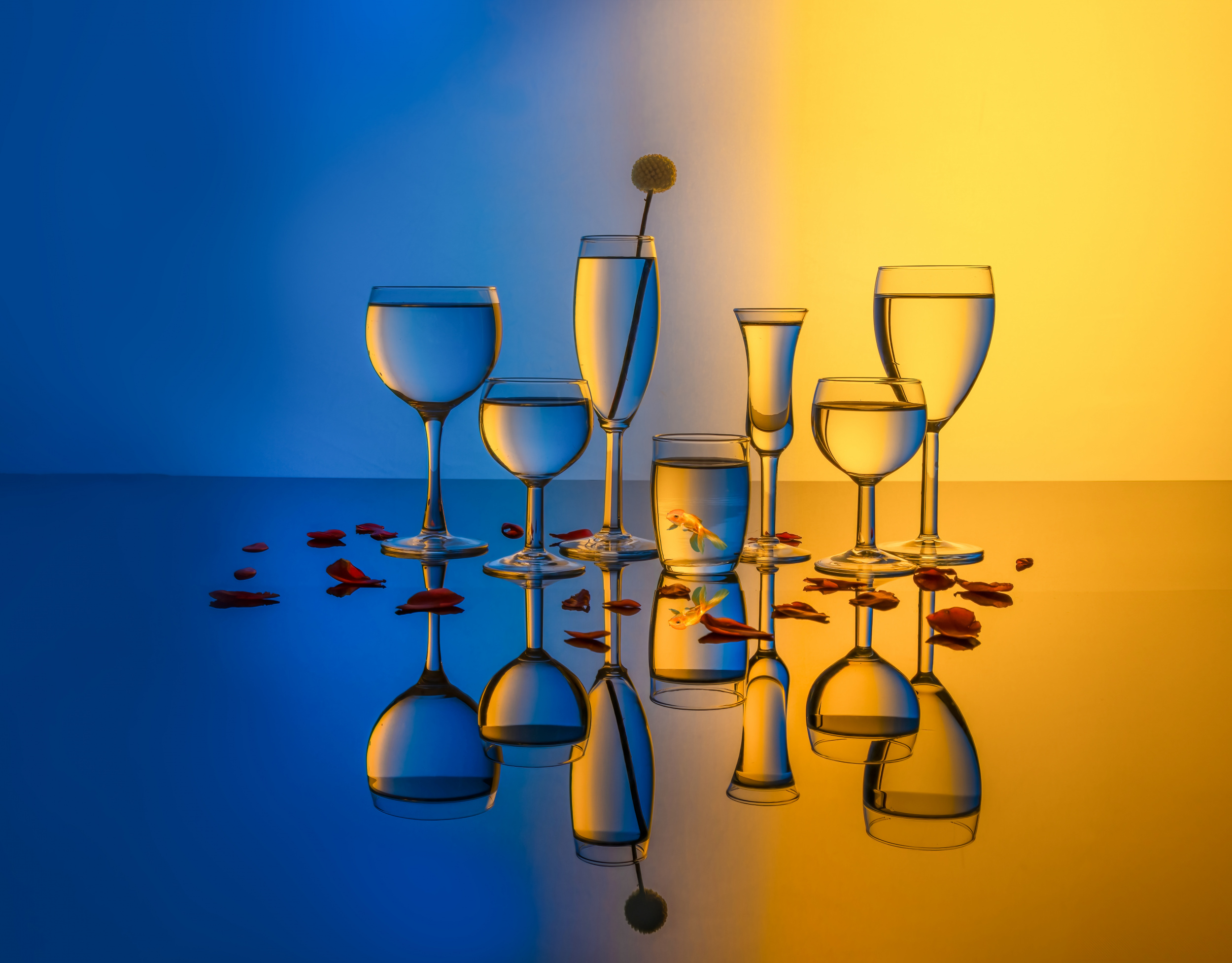
‘Gold Fish’
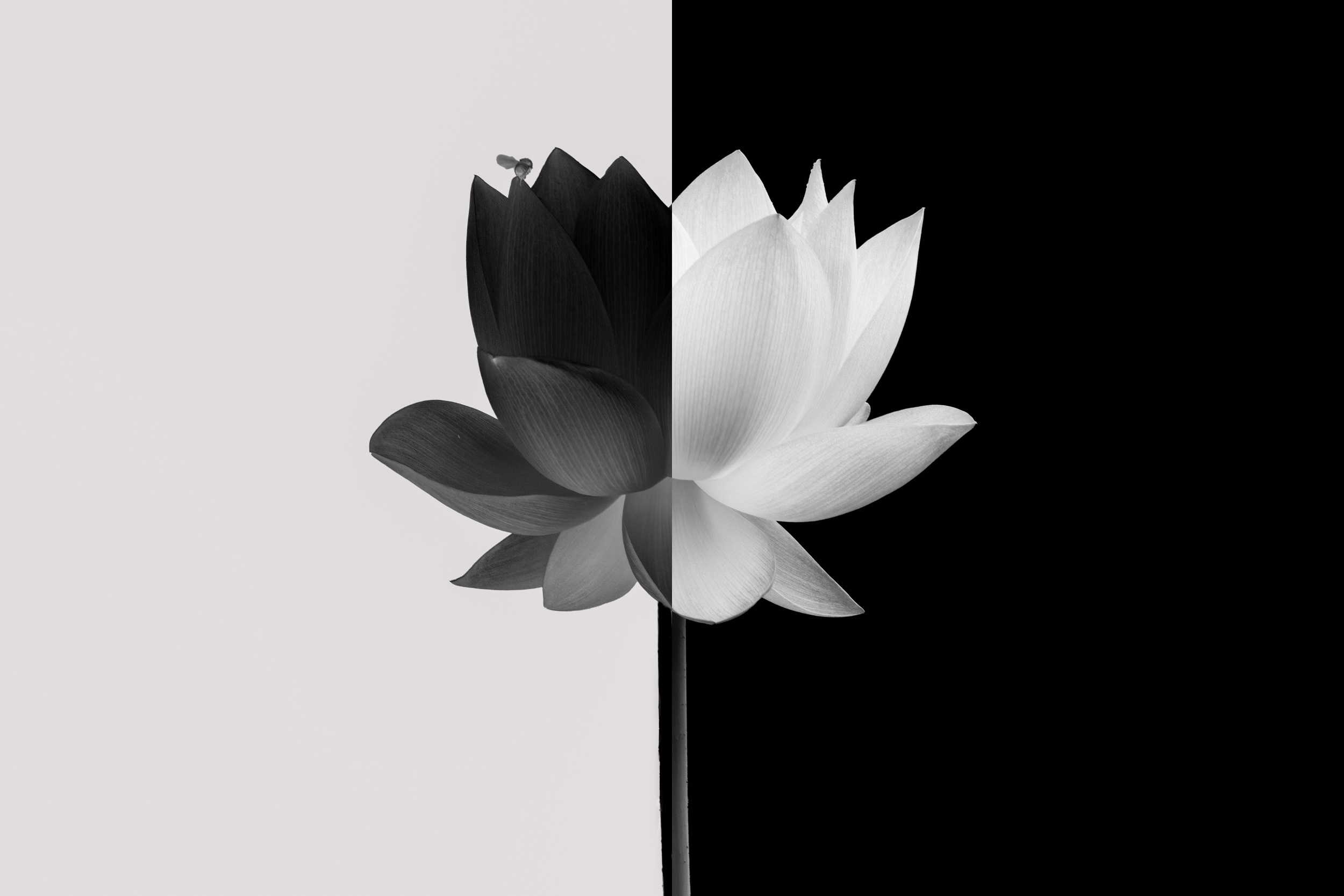
‘Lotus Flower’
Curiosity about the unknown world drives my learning and exploration in different areas. I enjoy life through learning and discovery. There is an intangible satisfaction in knowing more about the world. For example, understanding why lionesses separate from their cubs when giving birth explains why we only see very young cubs with their mothers and not their fathers.
Which is more important to you: the mood/story behind your images or technical perfection?
I think a good image involves many elements, including composition, lighting, meaningful subjects and storytelling. Technical perfection is more important in some types of images, e.g. wildlife photography. However, when capturing characteristics, e.g. hunting or fighting scenes, street scenes or documentaries, storytelling is more important to me. When it comes to artistic expression, e.g. still life or creative editing, mood is more important to me.
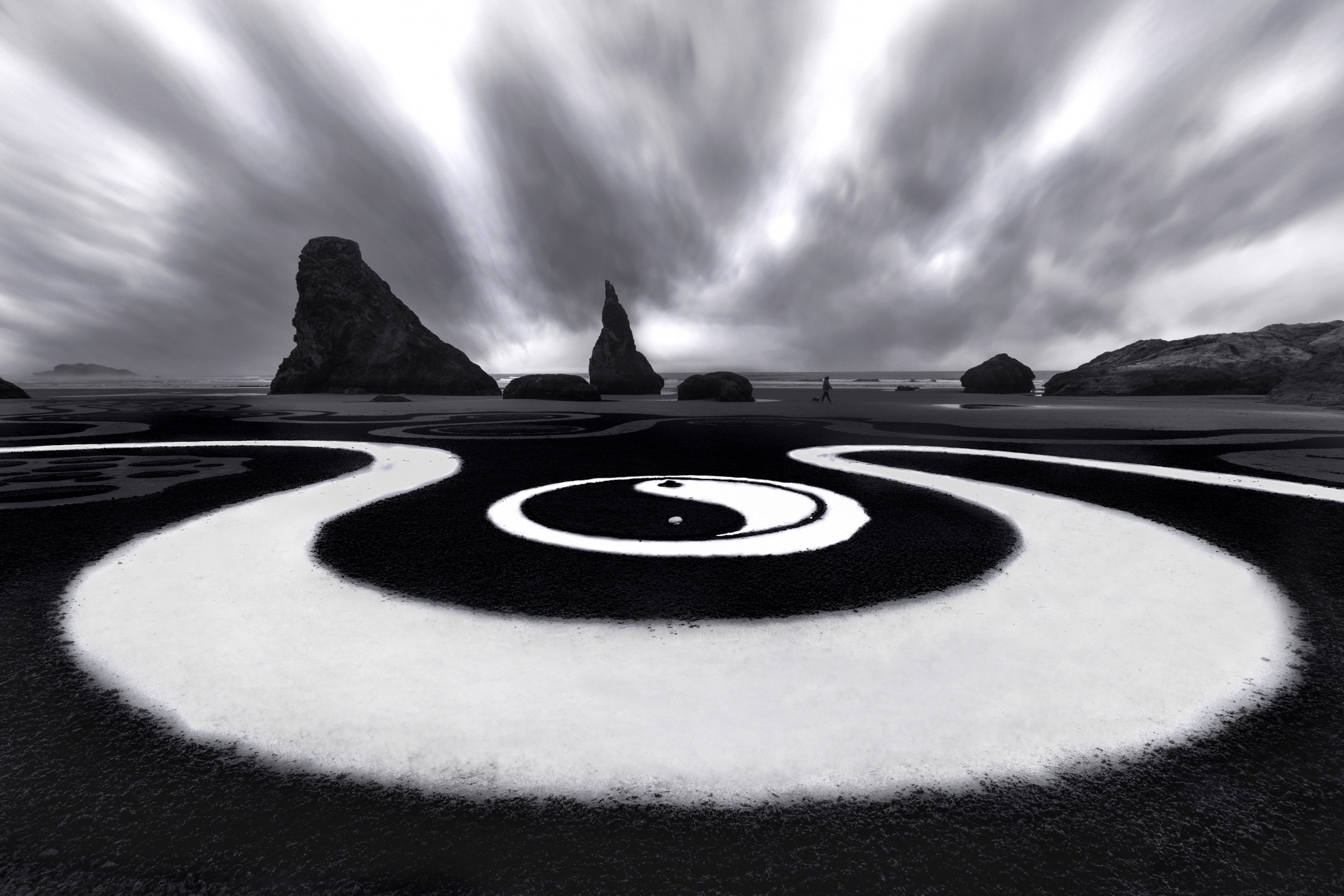
‘YingYang Sand Picture’
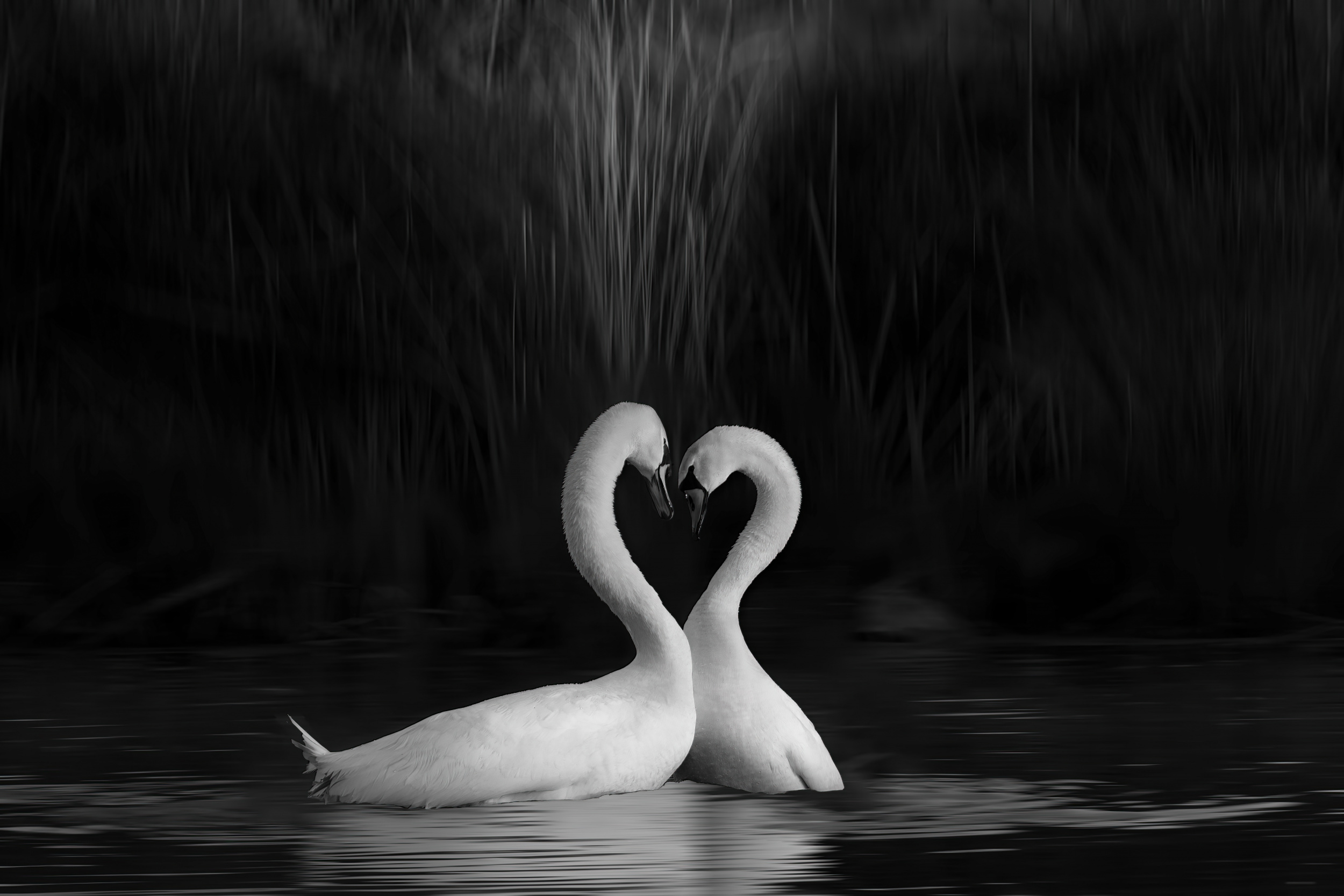
‘Sign of Love’
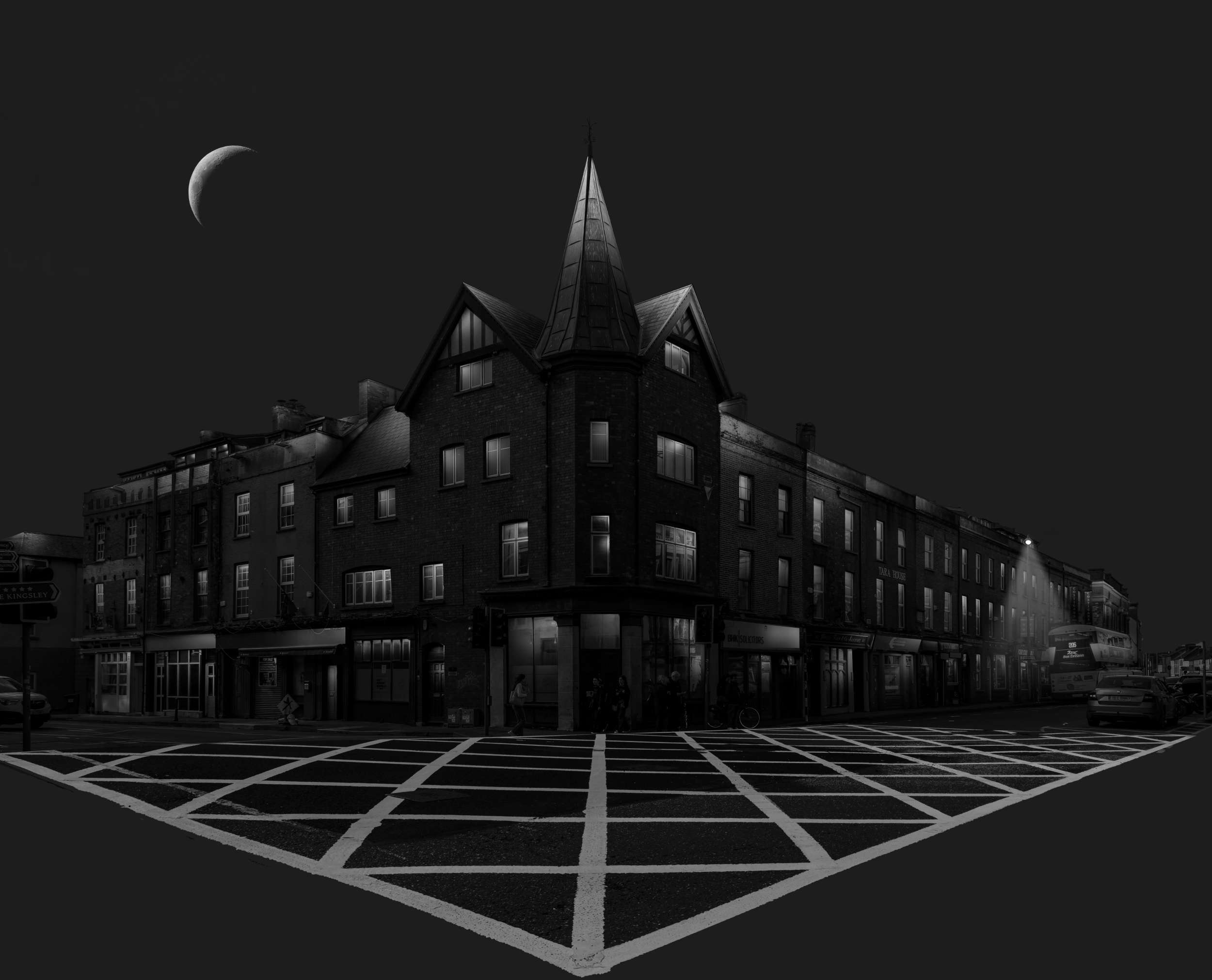
‘Street Scene in Europe’
What is your relationship with your subject matter beyond being an observer?
Do you carefully prepare the locations where you intend to take photographs?
Aside from being an observer, my relationship with my subject matter is to relate to the subject. Whether the subject is human or natural, I relate to it. For example, I learned how mountains were formed. There are two main ways in which mountains are formed: volcanic eruptions or the movement of the Earth's tectonic plates, which causes crustal folding. These formations may take millions of years. When I consider this in relation to human history and the current state of our planet, I feel a deep connection to nature and am motivated to do more to protect it.
Before visiting a location, I consider the transportation, hiking conditions, my physical ability, the location's characteristics, the history and meaning behind buildings, rituals, events, weather and seasons. When it comes to studio portraits, I learn what the subject wants to depict, what skills they have, and what the final images they have in mind are. I will do the necessary research. For example, if the model is a dancer, I will prepare appropriate lighting and lenses for the images. My post-processing work supports the photographic work.
Describe your photographic vision.
My vision is to learn more about the world through my lens. My work should reflect my understanding of subjects, lighting, characteristics and colours, as well as my mood. It is about showing the world as I know and understand it.
Could you tell us more about your workflow, from initial idea to finished product?
My workflow starts with my idea for the work. For example, I wanted to learn about still life, so I researched what it takes to create still life artwork. I searched 1x for people who had done well and shared information on how they had done it. I found that staging and lighting were the two most important things. I then looked at many examples and visualised what I wanted to see in my final products. After that, I went to various stores to find items that would suit my staging preferences. I also joined various workshops to learn from people who were successful in this area. I learned how to use lighting to achieve certain results, and then I purchased lighting equipment. It took me a few years to create my first still life image. Ultimately, the final product was less important than my satisfaction from the learning process. Finally, I explored the possibilities of post-processing. I explored different ways of developing final products, e.g. colour and monochrome versions, and different cropping compositions.
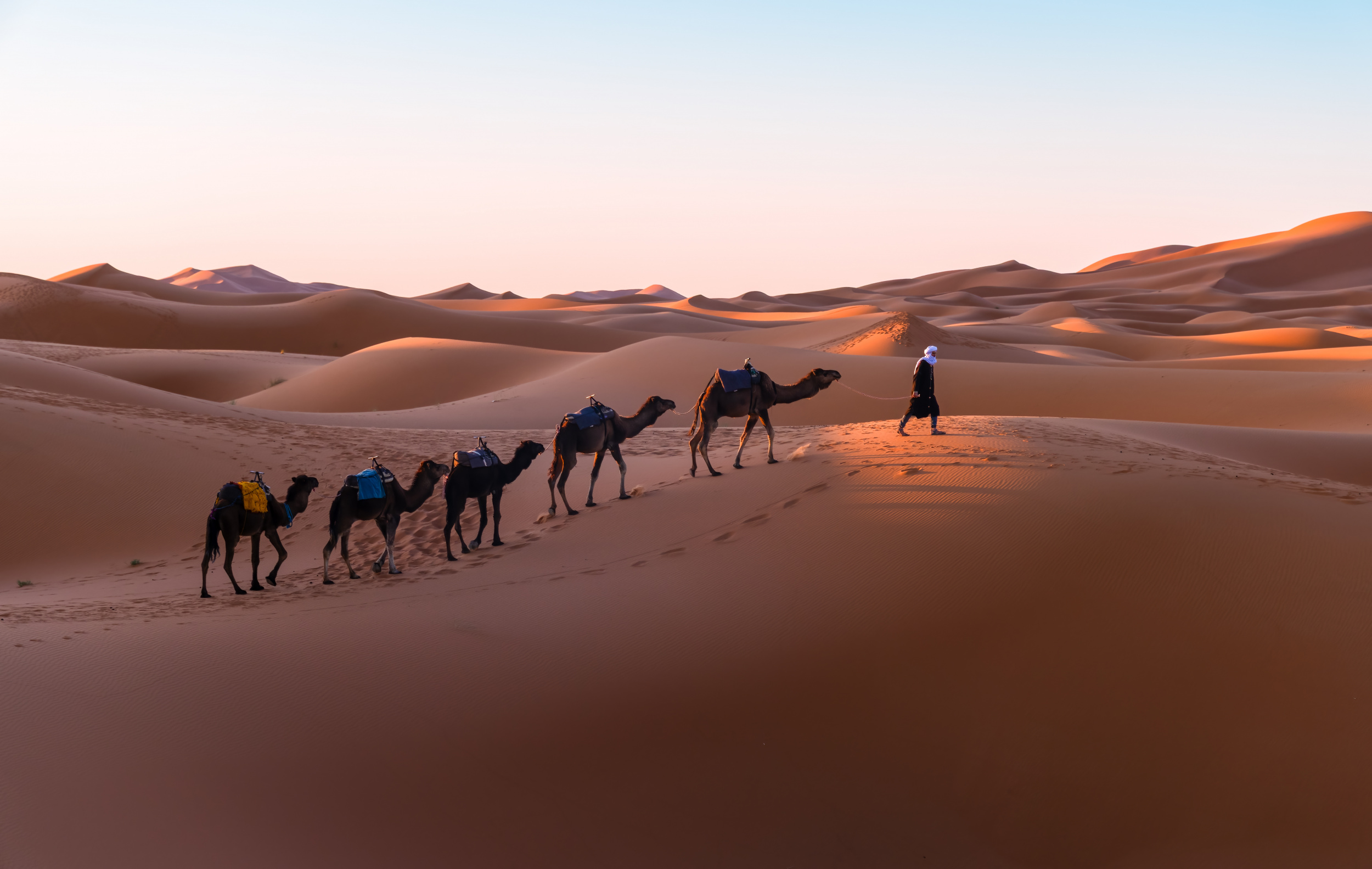
‘Climbing the Sahara Desert’
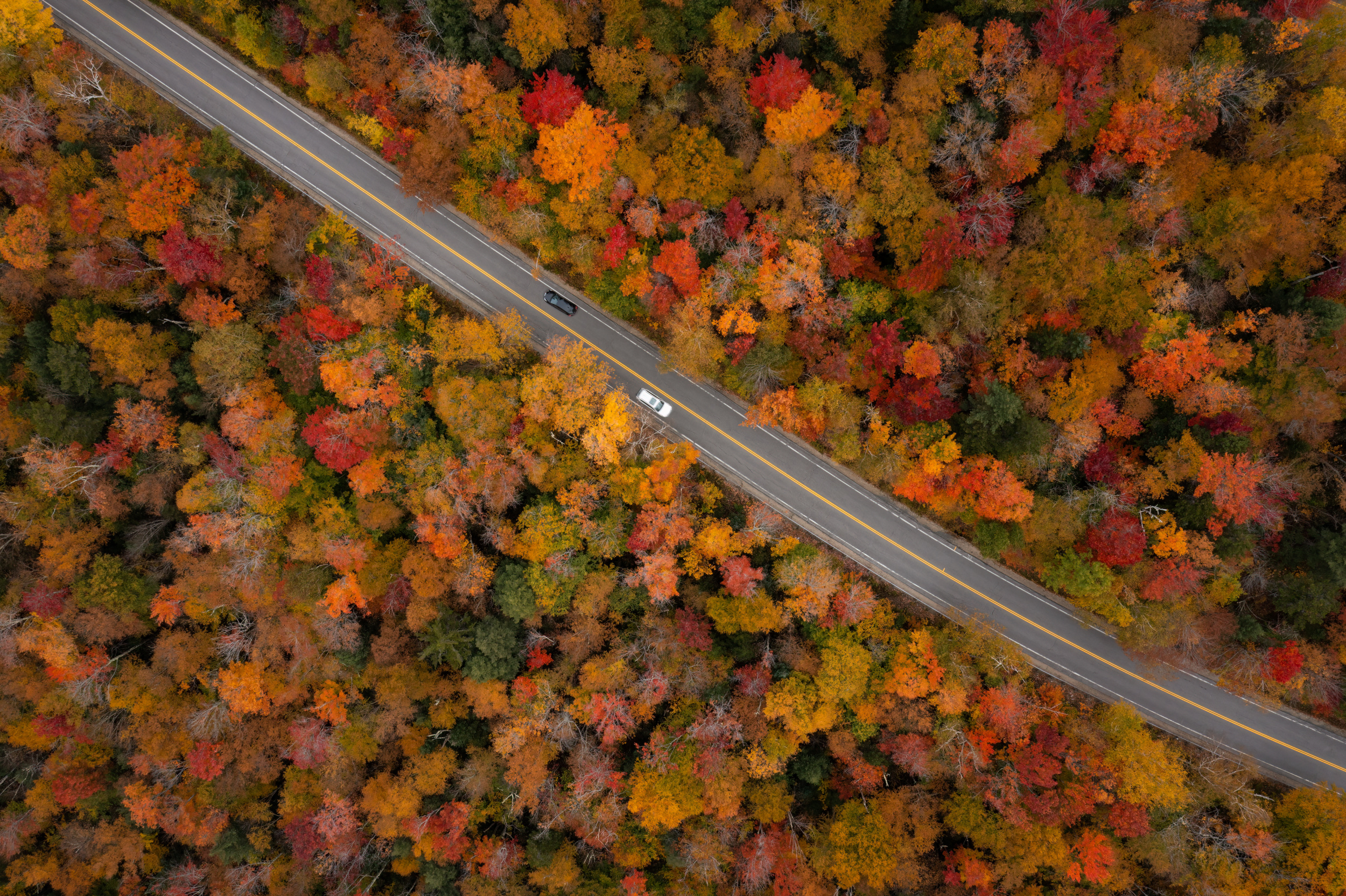
‘Autumn Colors #15’
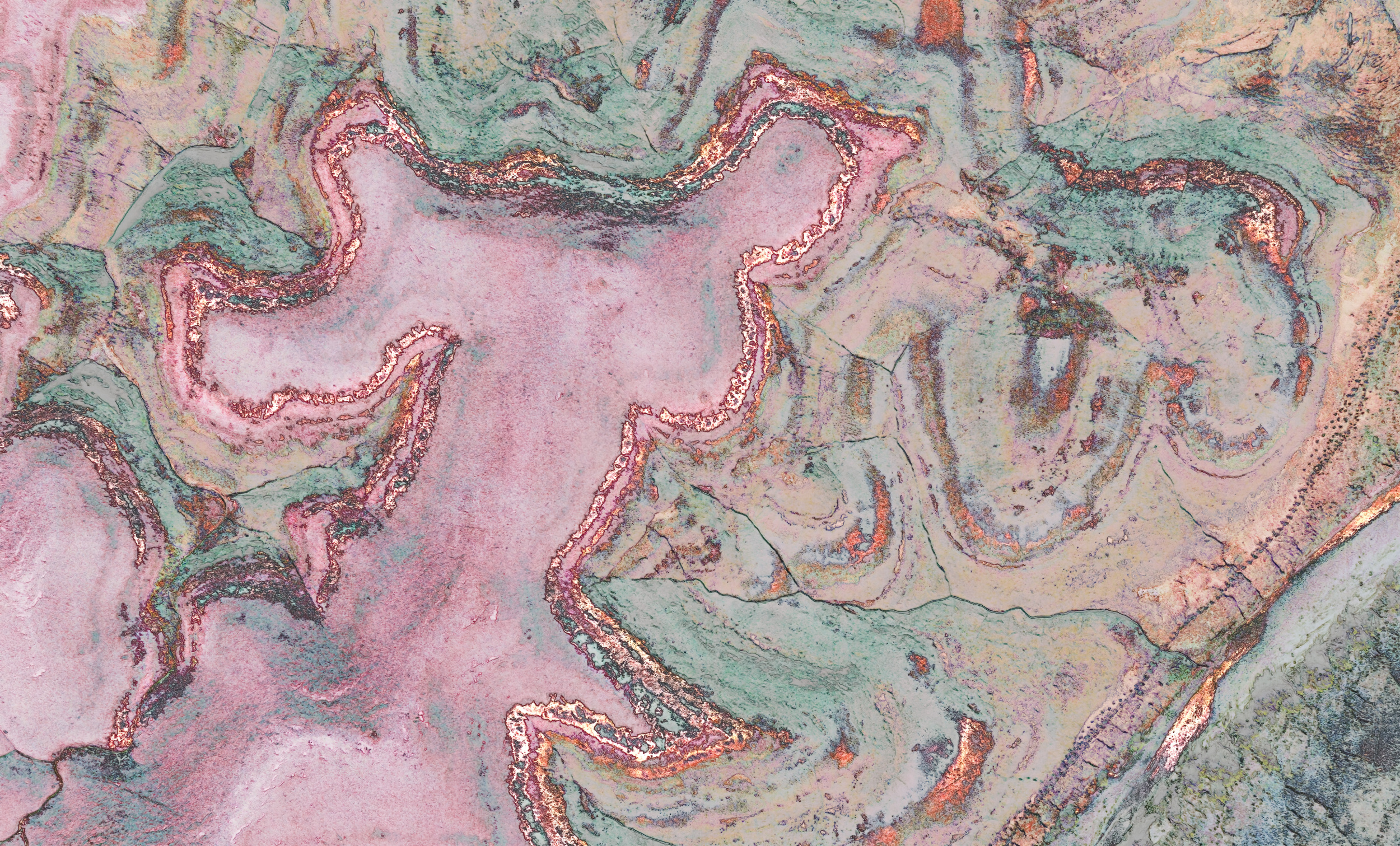
‘Running in the Wildland’
Where do you look for inspiration, and what inspires you the most?
I find inspiration in looking at good work in museums, books, workshops, the 1x gallery and other photo galleries, as well as in award-winning entries in international photography competitions. Above all, learning about unknown knowledge and the world inspires me the most.
Many people believe that gear is unimportant if you're passionate about photography. Could you please tell us what equipment you use, such as your camera, lenses, lighting and tripod?
To me, gear is all about achieving the vision I have for the final product. Currently, I use a Canon R5 and a Canon Mark IV. I have about 15 different lenses with various focal lengths, including 10 mm, 12 mm, 14 mm, 35 mm, 50 mm and 85 mm fixed-length lenses, as well as 14–85 mm, 24–105 mm f/4.0, 24–105 mm f/2.8, 70–200 mm, 100–300 mm, 100–400 mm, 100–500 mm and 150–600 mm. I also have a 100 mm macro lens. I also have a DJI Mini 4 Pro, a DJI Mavic 3 Classic, a DJI Mavic 3 Pro and a DJI Mavic 4 Pro, as well as an iPhone 17 Pro Max. I have various tripods for different purposes: an RRS heavy-duty one for strong winds and wildlife photography, a Bentro one for daily use and a Peak Design one for travelling.
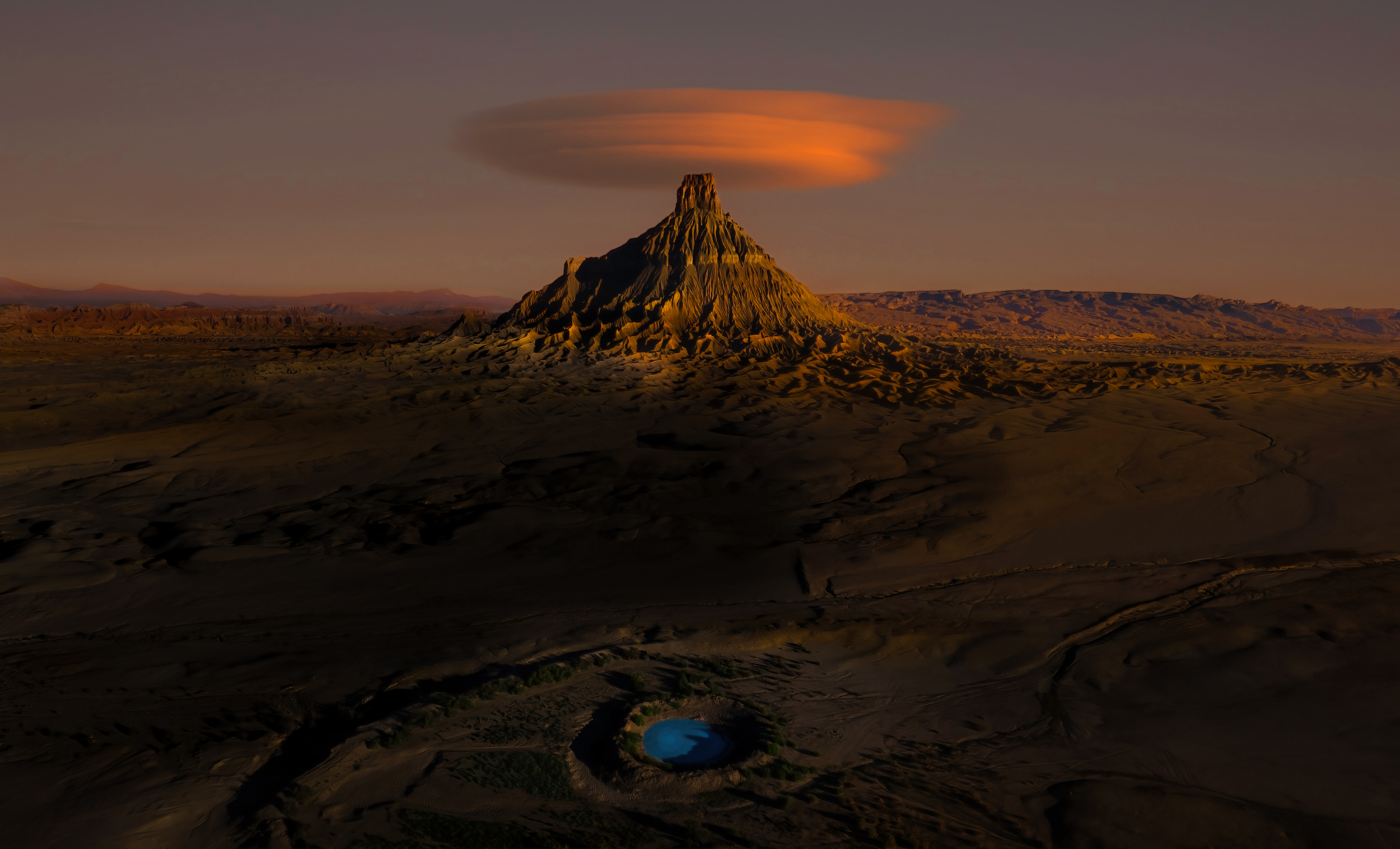
‘Sunrise at Factory Butt’
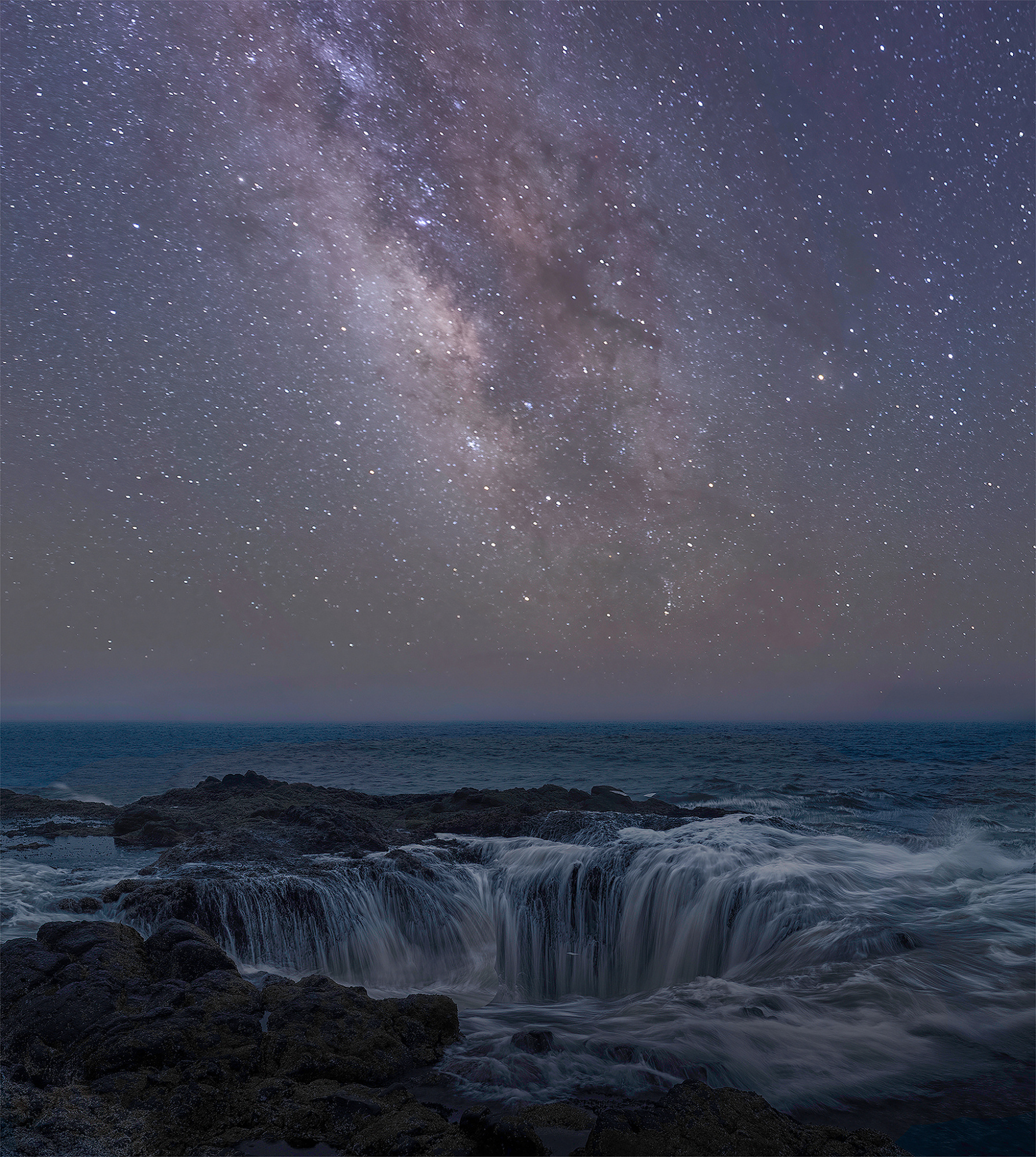
‘Milky Way over Water Well’
Which is your favourite photo? Please tell us the story behind it.
Mine is the photo of the king penguins that I took in the Falkland Islands in South America in 2023. Of all the birds I photographed, penguins are my favourite, followed by owls. Their human-like behaviour is both cute and beautiful. The two king penguins walking along the beach, fin touching fin, were so human-like. One penguin was leading the way while the other looked around as if she needed time to enjoy the beautiful ocean. The male penguin waited patiently for her so they could walk together. In February 2023, I went on a cruise to visit the Falkland Islands. The cruises before and after us were unable to land due to the weather conditions. After I returned home, I found out that my friends who were on the cruise behind us one week later were also unable to land. This made me appreciate our luck even more.
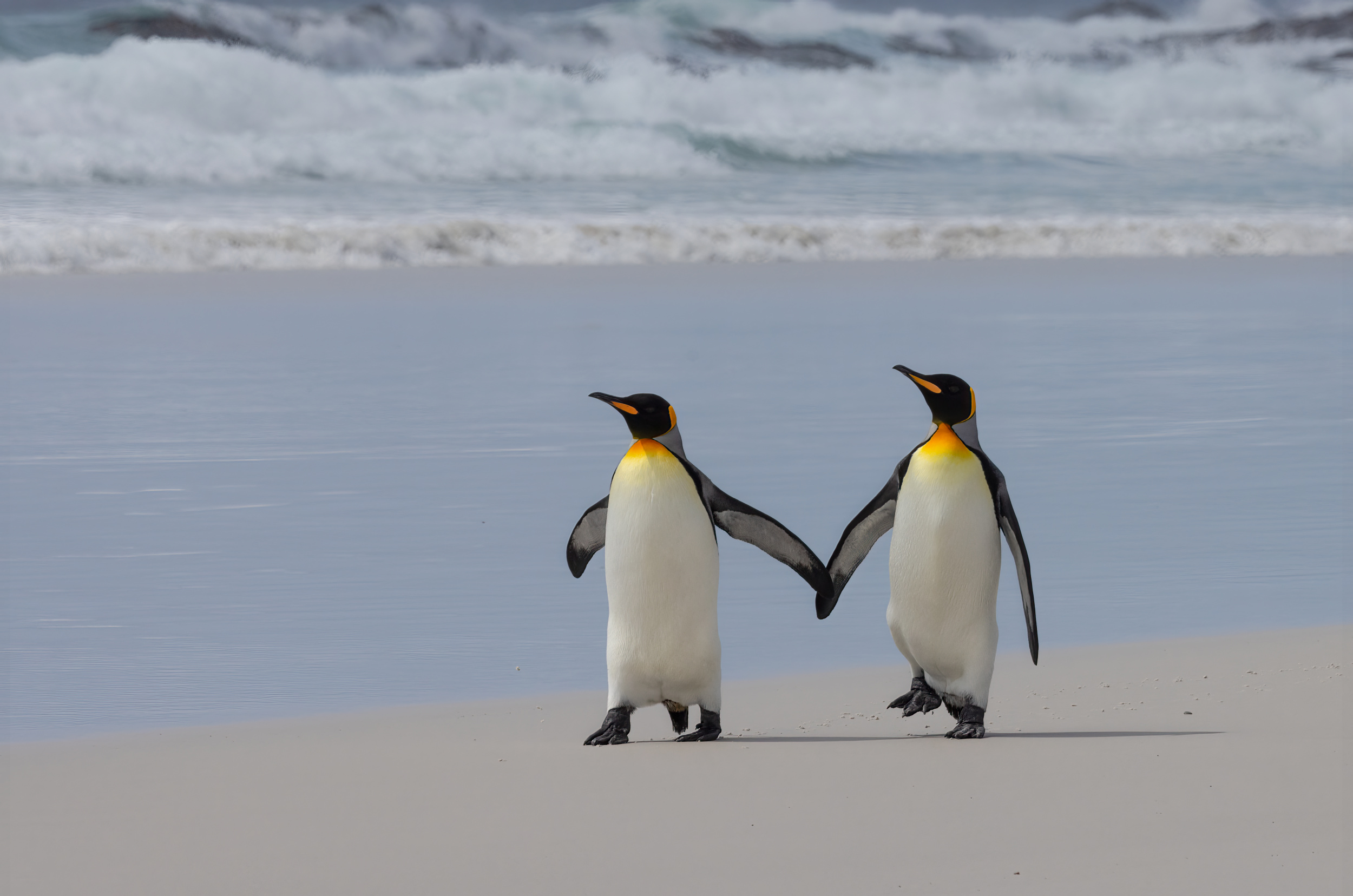
‘Lovers Walk’
Which photographers or mentors have influenced you, and whose work do you admire?
I admire many photographers who excel in different areas. For architecture, I admire Jorge Pimenta and Rana Jabeen; for flowers, Hilda van der Lee and Ben.C.L., Lydia Jacobs, Aidong Ning, Larry Deng, Mei Xu for creative editing, Wanghan Li and Jun Zuo for wildlife photography, and Judy Tseng for mood. Their work inspires and influences me.
Now that we're coming to the end of this interview, could you tell us about any photography projects you'd like to be involved in?
I set myself goals each year in my pursuit of photography. In 2026, I would like to learn more about high-key images, in both colour and monochrome. I will also continue to learn about still life. Of course, I still love shooting wildlife and landscapes. For landscapes, I want to become more skilled in drone operation and composition.
Is there anything else you would like to add? What do you think about using 1X to showcase your work?
I joined 1X in 2018, but I didn't know much about it at the time. When my work was first published, I wanted to keep it for myself, so I deleted it right away (LOL). In 2021, I understood what 1X was about, and I started uploading my images there. From 2022 to 2023, I was actively participating in international photography competitions, so I did not engage with 1X as much as I would have liked. From 2024 onwards, I have re-engaged with 1X and learned a great deal from the excellent photographers. Viewing exhibitions and awarded and published images became my daily routine. Through the 1x platform, I signed a contract with the England Photo and News Agency, who published my work in England. So 1x is a good platform for showcasing my work.
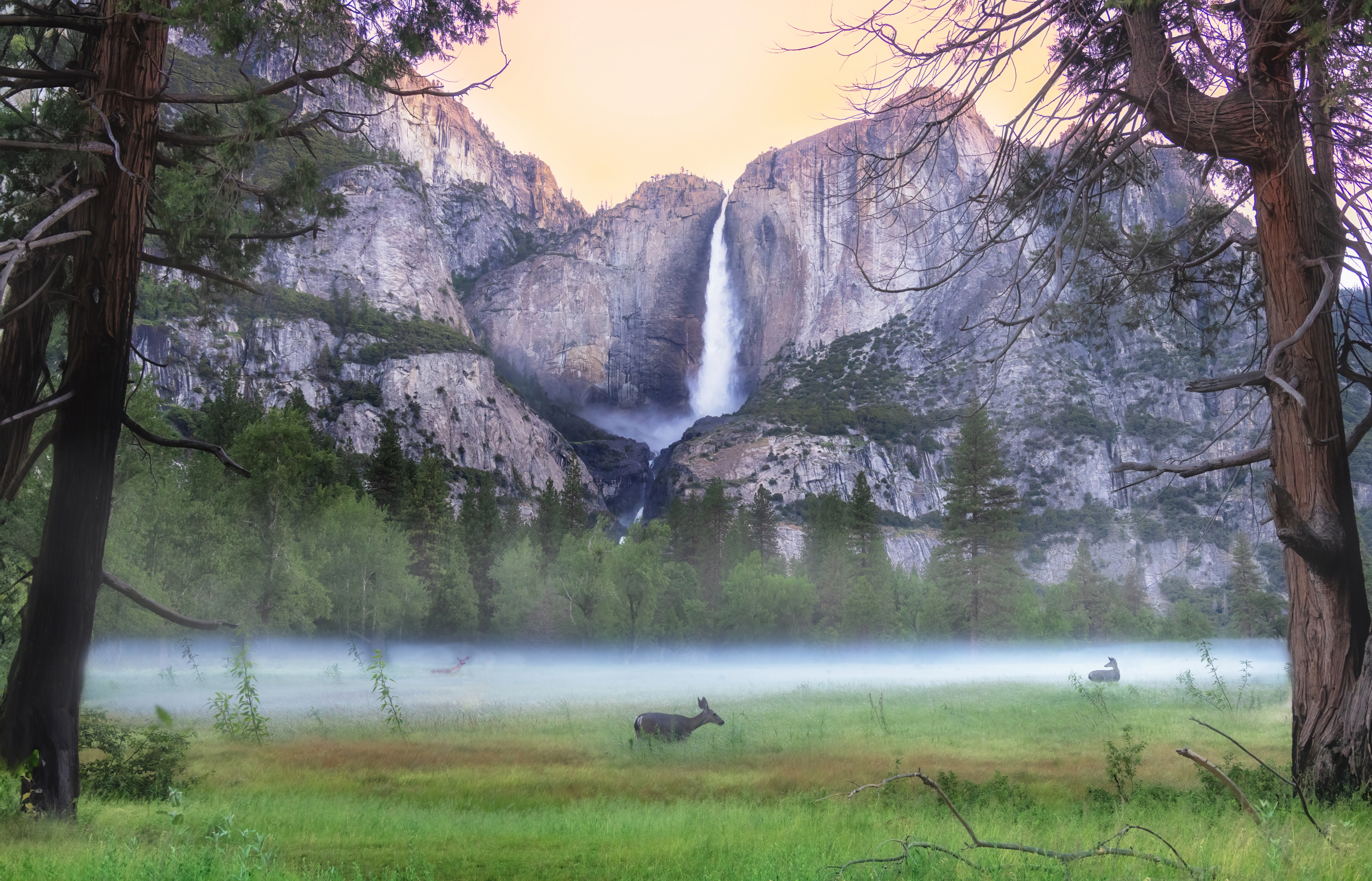
‘Spring of Yosemite’
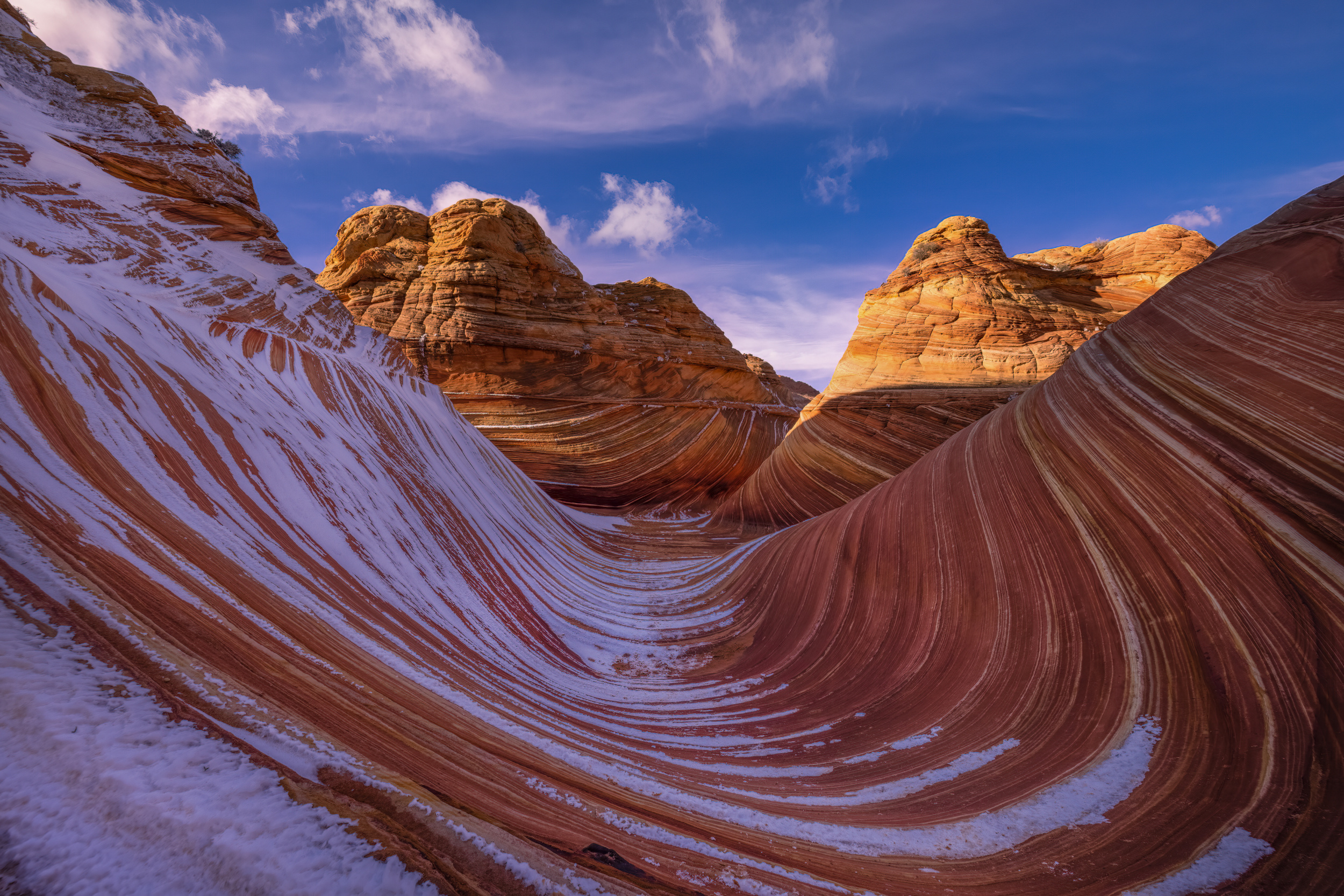
‘Wave of Lines’
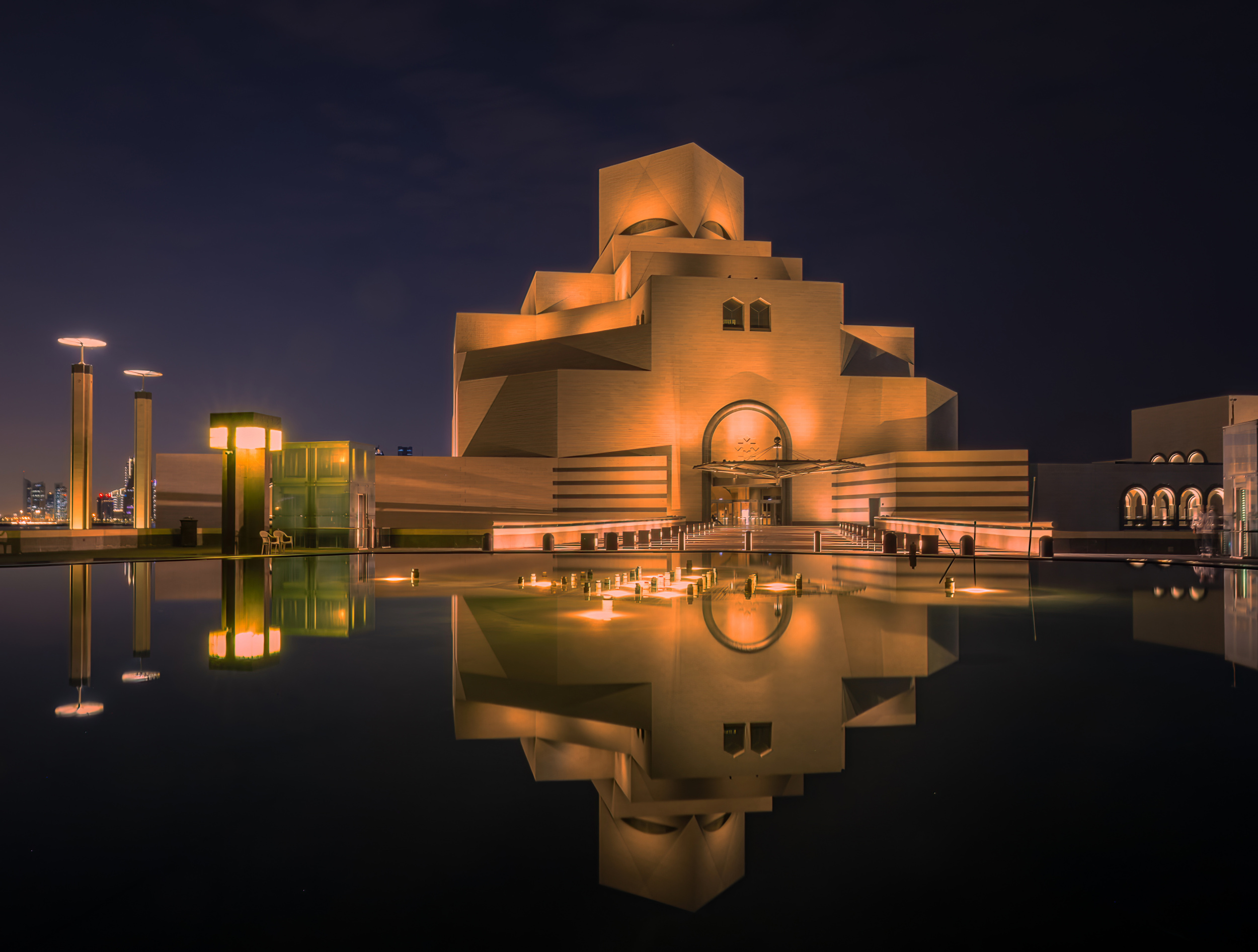 'Doha Islamic National Museum'
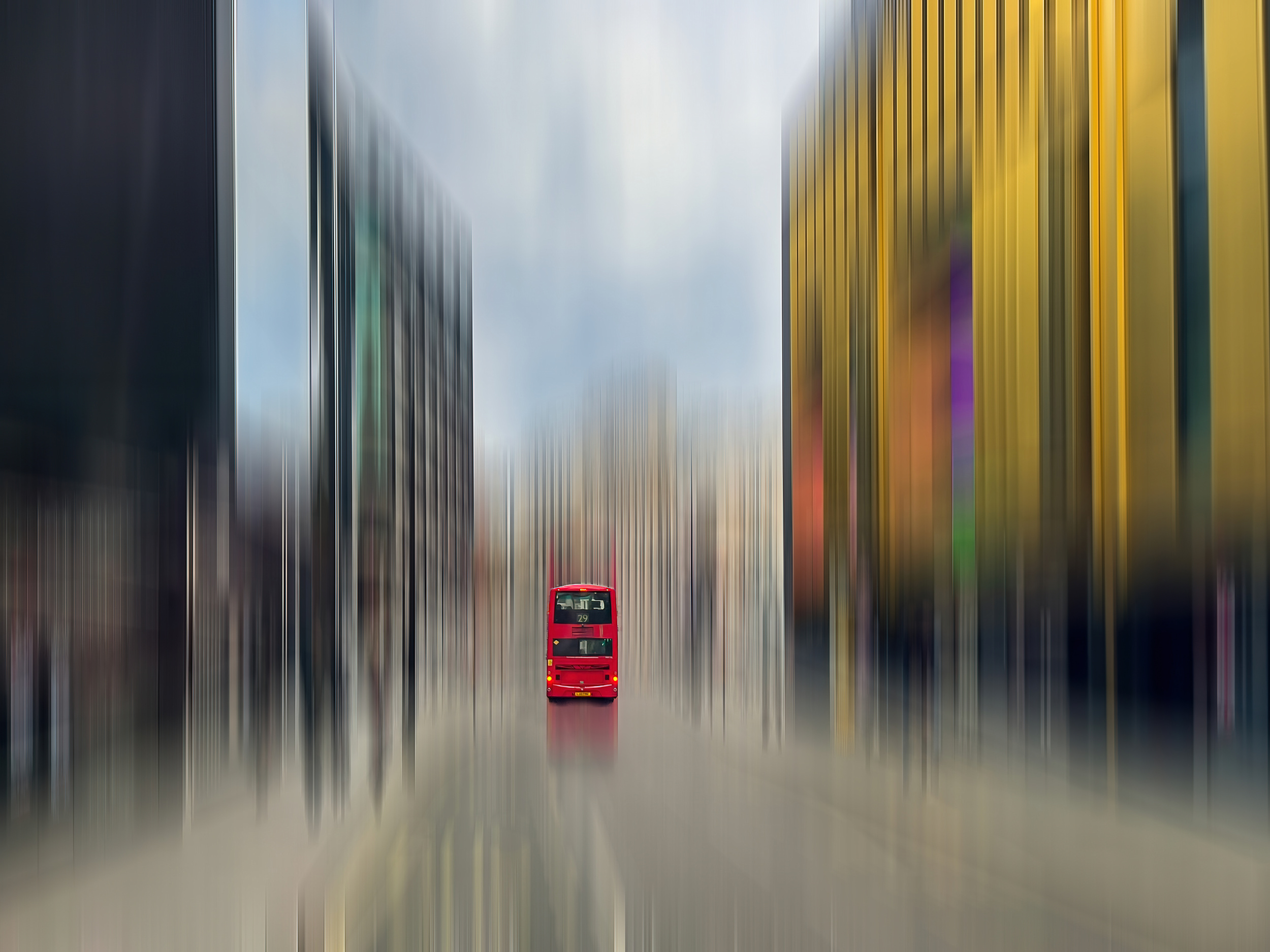
‘Red Bus in London’
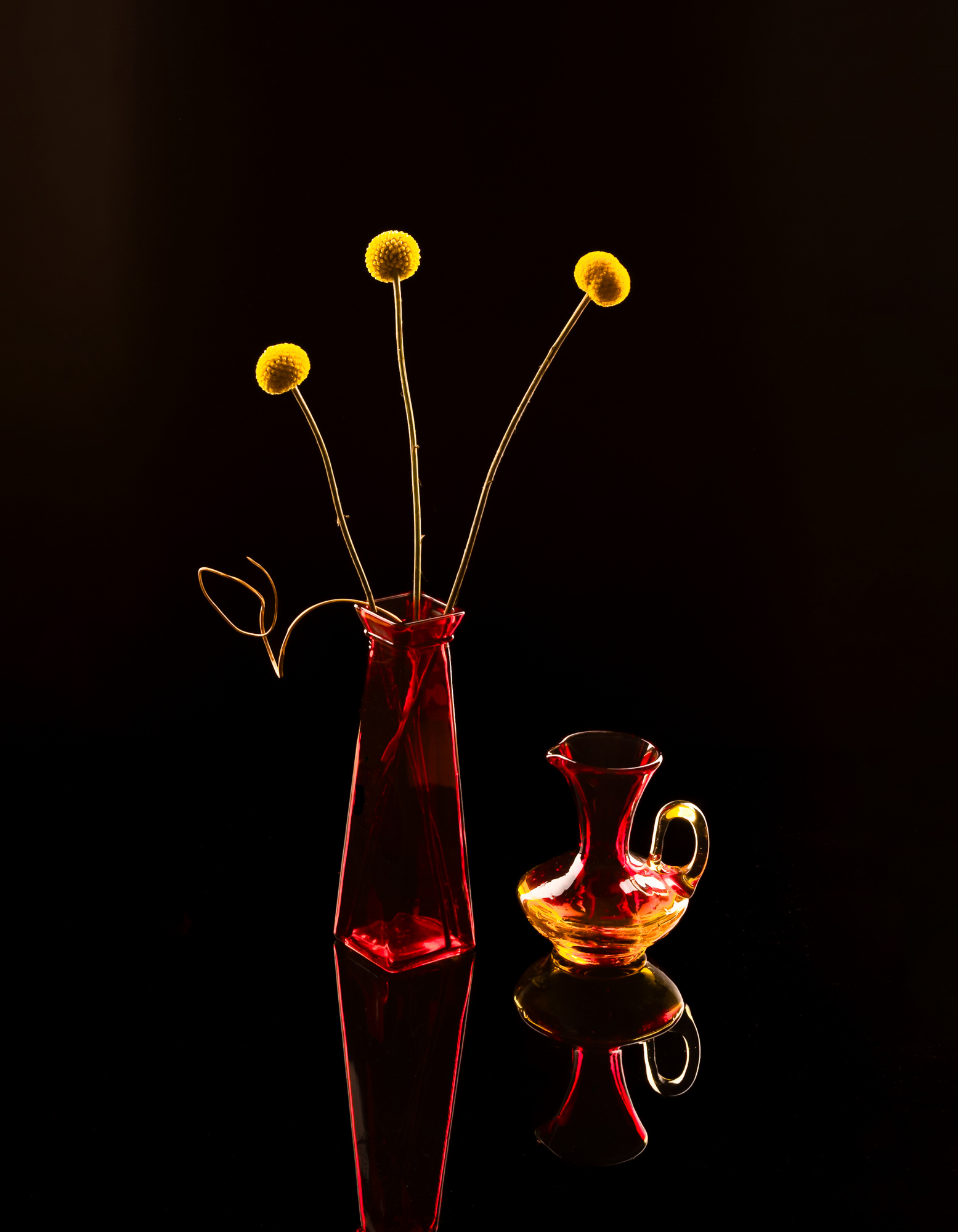
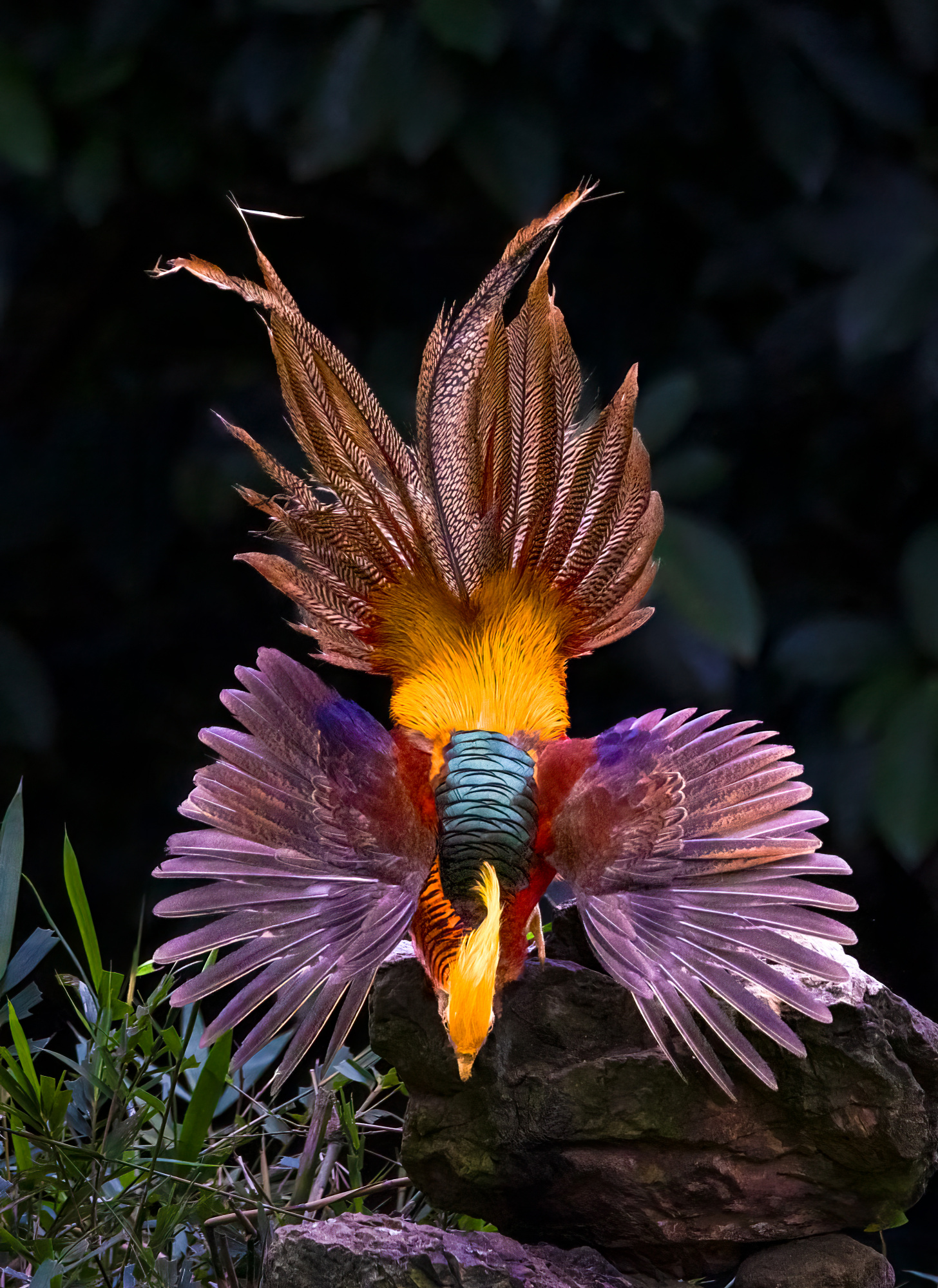
‘Show Time’
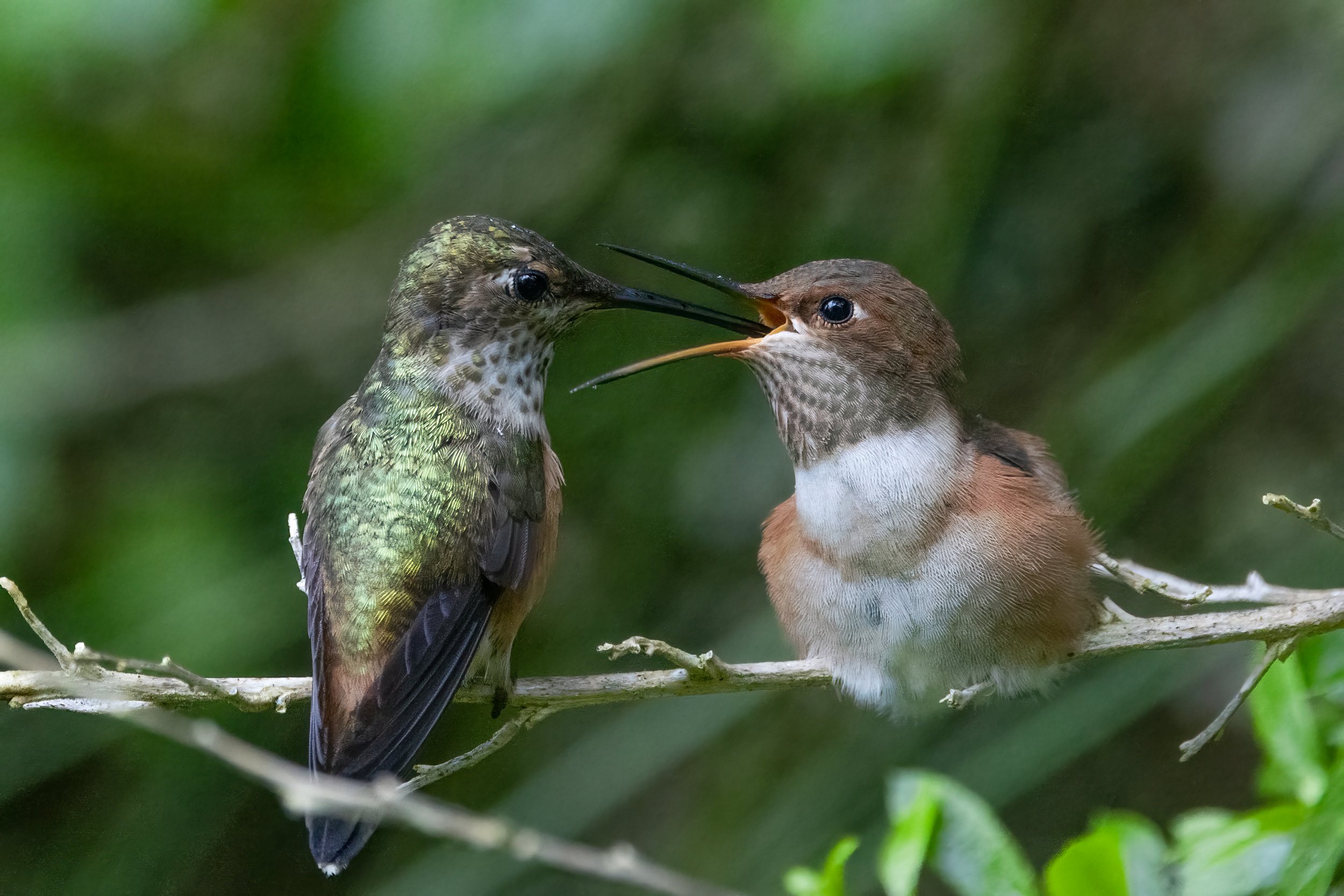 'Hummingbird feeding'
 | Write |
 | Yaping Zhang PRO Donna,作品集非常棒。恭喜你!非常令人印象深刻的作品和鼓舞人心的故事!
9天前回复 |
 | Lokesh Kumar Rastogi PRO Fantastic collection. The best part is that it's from all field i.e. street, wildlife etc |
 | YANGYING PRO Congratulations—excellent work! |
 | Piet Haaksma PRO Very impressive works and inspiring stories! Congrats. |
 | Elizabeth Allen CREW A superb collection of work, full of diversity. Congratulations, Donna, and thanks to Yvette. |
 | Yongnan Li (李永男) PRO Nice profile, good work. |
 | Ruiqing P. PRO Dear Donna, huge congratulations on your 1x feature. Your work has carried such beautiful diversity and depth, and this interview is incredibly inspiring to read. Thank you for sharing your vision and creative journey with us. Well deserved. |
 | Jacob (Jian) Xu CREW Very impressive work and great varieties! Congratulations! |
 | Wanghan Li PRO Excellent works with the inspiring words! Congratulations! |
 | DonnaHom APA PRO Thank you my dear friend David. |
 | David Manusevich PRO Very beautiful images 👌 |
 | Jun Zuo PRO Excellent works! Congratulations! |
| DonnaHom APA PRO Thank you my role model Jun. I mentioned you in my interview. |
 | Eduardo Blanco García PRO Excellent
|
| DonnaHom APA PRO Thank you Eduardo. |
 | Rana Jabeen PRO Dear Donna, it is a pleasure to see your wonderful interview and gallery. Each and every image is exceptional and you have excelled in all the different genres of photography you have done. Your work is truly inspiring for me and I am sure for many of us at 1x. It is an honour to be mentioned by you in your interview,thank you .
As always,an excellent work by you Yvette for presenting this wonderful photographer. |
| DonnaHom APA PRO Thank you my dear friend and role model Rana. |
 | joanaduenas PRO Congrats Donna for such a nice and varied gallery, I'm impressed of your work.
Thank you so much Ivette for this interesting interview. |
| DonnaHom APA PRO Thank you Joanaduenas. |
 | Mei Xu PRO You are so good at everything. I am very impressed. Congratulations! |
| DonnaHom APA PRO Thank you my role model and dear friend. |
 | Erik Engström PRO Great collection and interview! |
| DonnaHom APA PRO Thank you Erik. |
 | yein PRO I was touched by the great work and the interview |
| DonnaHom APA PRO Thank you Yein. |
 | Judy Tseng PRO Excellent images, Congratulations Donna! |
| DonnaHom APA PRO Thank you my dear friend Judy. You are my model. |
 | Nancy Lee PRO Congratulations Donna! Very impressive works and inspiring stories! |
| DonnaHom APA PRO Thank you my dear friend Nancy. |
 | Weiwei PRO I really like your photography works. You are a role model for me to learn from. Congratulations, dear Donna! Thank you Yvette for the wonderful interview. |
| DonnaHom APA PRO Thank you my dear friend Weiwei. |
 | Molly Fu (APA) PRO What a wonderful collection of images, congrats dear friend Donna, very well deserved!!! Thanks dear Yvette, another great interview and one more excellent photographer from APA family!👍 |
| DonnaHom APA PRO Thank you my dear friend and role model Molly. |
 | Louie Luo PRO Absolutely stunning work, Donna! The interview is so well deserved—huge congratulations! |
| DonnaHom APA PRO Thank you my dear science friend Louie. |
 | Larry Deng APA PRO Congrats df Donna for your amazing images. Thanks dear Yvette for another great interviews. |
| DonnaHom APA PRO Thank you my respected teacher Larry. |
 | Linda Lu PRO Congratulations Donna! What an achievement! Thanks for sharing! |
| DonnaHom APA PRO Thank you my dear friend Linda |
 | Patrick Compagnucci PRO Awesome portfolio Donna. Many congrats! |
| DonnaHom APA PRO Thank you my dear friend Patrick. |
 | Aidong Ning PRO Congratulations dear Donna! This is an amazing collection of work with such great variety! Thank you dear Yvette for another great interview as always! |
| DonnaHom APA PRO Thank you my dear friend Aidong. |
 | Eiji Yamamoto PRO Dear Donna, thank you so much for this very interesting interview with beautiful and great photos! Dear Yvette, thank you so much as always! It's very inspiring! |
| DonnaHom APA PRO Thank you my dear friend Eiji. |
 | Tore Johansson PRO Great collection, what a variety. Im really impressed! |
| DonnaHom APA PRO Thank you my dear friend Tore. |
 | Cristiano Giani PRO Splendid images. Congrats to Donna, and thanks to Yvette for sharing... |
| DonnaHom APA PRO Thank you my dear friend Cristiano. Yes, thank you Yvette for your hard work. What an honor to be invited for this interview. |
| DonnaHom APA PRO Thank you my dear friend Cristiano. |
 | Chong Q. Wu PRO What an impressive collection of photography achievements! From grandiose to microscopic, your photo works has the depth of revealing them all. Congratulations, Donna! |
| DonnaHom APA PRO Thank you my dear friend Chong for your encouraging words. |
 | Hanping Xiao PRO Congratulations! Donna. |
| DonnaHom APA PRO Thank you my dear friend Hanoing. |
 | MingLun Tsai PRO Excellent images, Congratulations!! Donna. |
| DonnaHom APA PRO Thank you my dear friend MingLun |